

How to Grow Hemp (Cannabis) for CBD Flowers – From Seed to Harvest
Growing hemp for CBD flowers has become increasingly popular across Europe.
Whether you’re cultivating for aromatic use, extraction, or simply to understand the plant better, the process is both rewarding and surprisingly accessible once you learn the basics.
The techniques described in this guide — germination, vegetative growth, flowering, harvesting, and curing — are the same fundamental horticultural principles used when growing high-THC cannabis. The difference lies in the plant’s genetics and legality, not in how the plant grows.
Unlike THC-dominant cannabis, which remains illegal to cultivate in most European countries, CBD flowers are produced from EU-certified hemp varieties containing less than 0.3% THC.

Choosing the Right Hemp Seeds
Feminized Seeds
These produce only female plants, which is ideal because female hemp plants carry the CBD-rich flowers.
Male plants do not produce usable buds and can pollinate females, reducing quality.
Autoflowering Seeds
Germination and Early Seedling Stage
Germination is the first step in the plant’s life. Within one to seven days, the seed splits open and a taproot emerges.
Optimal germination conditions:
- 20–25°C temperature
- lightly moist, well-draining soil
- stable humidity
- gentle, indirect light
When the seedling develops its first serrated leaves, it enters the early growth stage. Young plants are delicate, so avoid overwatering and excessive heat.
Vegetative Growth – Building Strength and Structure
During the vegetative phase, the plant develops most of its structure: leaves, branches, and root mass.
This stage determines the plant’s eventual size and flowering potential.
Key needs during vegetative growth:
- At least 18 hours of light per day indoors
- nutrient-rich soil, particularly nitrogen
- good airflow and humidity control
- consistent but moderate watering
Many growers take clones from healthy mother plants during this phase.
Cloning ensures consistent genetics — a method equally used in legal hemp production and in high-THC cannabis cultivation where permitted.
Flowering Stage – Developing CBD-Rich Buds
Flowering begins when daylight hours shorten outdoors or when light cycles change indoors.
Autoflowering varieties enter this stage automatically after a set number of weeks.
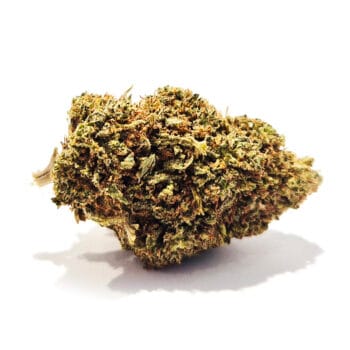
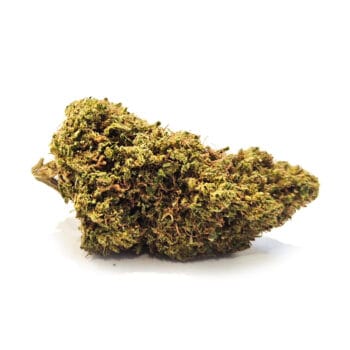
During flowering, the plant produces CBD flowers — dense, aromatic buds covered in resin glands (trichomes). These trichomes contain cannabinoids, terpenes, and flavonoids.
Identifying Male and Female Plants
Male plants produce pollen sacs and should be removed early to avoid pollination.
Female plants develop white pistils, which mark the start of bud formation.
Flowering typically lasts 6–10 weeks, depending on strain and environment.

Harvesting – Timing the Peak
A hemp plant is ready for harvest when the trichomes turn from clear to milky or amber.
This shift indicates peak cannabinoid and terpene content.
Harvesting steps:
- Cut branches or the entire plant
- Remove large fan leaves
- Hang branches upside down in a dark, ventilated room
- Maintain 50–60% humidity for slow, even drying
Drying takes 7–14 days depending on climate.
Trimming and Curing – Enhancing Aroma and Smoothness
Once dried, the buds are trimmed to remove excess leaf material.
Curing involves storing flowers in airtight glass jars:
- in a cool, dark place
- opening jars daily for 1–2 weeks (“burping”)
- allowing moisture to settle evenly
Proper curing significantly enhances flavor, smoothness, and terpene expression.
Indoor, Outdoor, and Greenhouse Growing
The growing method determines how much control you have over the environment.
These methods apply to both hemp and high-THC cannabis — the cultivation principles are the same, even though legality differs.
Indoor Growing
Provides full environmental control:
- temperature
- humidity
- light intensity
- airflow
Indoor setups yield consistent, high-quality CBD flowers year-round but require more equipment and energy.
Outdoor Growing
Uses natural sunlight and fewer resources.
Plants often grow larger and develop strong terpene profiles, though results vary with weather.
Best suited to southern and central Europe where summers are long and warm.
Greenhouse Growing
A hybrid approach combining sunlight with protection and climate control.
Greenhouses allow:
- extended grow seasons
- more stable temperatures
- reduced pest pressure
- high yield potential
This method is widely used in commercial hemp farming across Europe.
- Betygsatt 4.87 av 5(15)
€118,53Det ursprungliga priset var: €118,53.€74,22Det nuvarande priset är: €74,22. -
- €29,63 – €143,89Prisintervall: €29,63 till €143,89Betygsatt 5.00 av 5(4)
-
- 5 g
- 10 g
- 20 g
- 40 g
-
€76,08Det ursprungliga priset var: €76,08.€55,64Det nuvarande priset är: €55,64.-
- 20 g
-
- €28,70 – €139,24Prisintervall: €28,70 till €139,24Betygsatt 5.00 av 5(2)
-
- 5 g
- 10 g
- 20 g
- 40 g
-

Legal Framework for Growing Hemp in the EU
In the European Union, it is legal to grow industrial hemp from approved seed varieties containing less than 0.3% THC.
Typical requirements include:
- registration with national agricultural authorities
- use of certified seeds
- adherence to THC limits
CBD products fall under the EU Novel Food Regulation (EU 2015/2283) and must be:
- safe
- traceable
- tested by accredited laboratories
- not marketed as medical treatment
THC-dominant cannabis is still prohibited to cultivate in most European countries, but several nations — including Germany, Malta and Luxembourg — have introduced legal home-growing frameworks. Other countries, such as the Czech Republic, are in the process of expanding or formalising decriminalisation policies.
Using CBD Flowers
Fully matured CBD flowers can be used as:
- aromatic buds
- material for CBD extraction
- hemp tea or botanical preparations (where permitted)
Because CBD is non-intoxicating, these flowers offer calming, aromatic properties without the psychoactive effects associated with THC-rich cannabis.
Key Takeaways for European Growers
Growing hemp for CBD flowers is a rewarding blend of horticulture, technique, and patience.
The same core methods used in hemp cultivation also apply to high-THC cannabis, though only hemp is legal to grow across most of Europe.
From selecting the right seeds to harvesting aromatic buds, each step shapes the final result.
Whether indoors, outdoors, or in a greenhouse, successful cultivation comes down to understanding the plant’s natural rhythm and providing the right environment.
Seeing your own CBD flowers mature into fragrant, resinous buds is a satisfying experience — one rooted in centuries of European agricultural tradition.


