Yes, hemp is legal in the EU, but only under certain conditions, and the answer depends on what you mean by hemp. Farmers across Europe may grow approved hemp varieties with no more than 0.3% THC. CBD itself is not a narcotic under EU law. Flowers, hash and oils, on the other hand, are regulated by each country, and the rules differ a lot. This guide goes through what the EU decides, what is left to national law and what to check before you buy.
At a glance
- Hemp and cannabis are the same plant species. Hemp is the name for varieties with very little THC.
- In the EU, farmers may only grow hemp varieties from the EU catalogue with no more than 0.3% THC. The limit was raised from 0.2% in 2023.
- The Court of Justice of the EU ruled in 2020 that CBD is not a narcotic and that member states may not ban CBD lawfully produced in another member state without a proven health reason.
- CBD flowers, CBD hash and CBD oils are regulated nationally, and each country decides how much THC a finished product may contain.
- Semi-synthetic cannabinoids such as HHC are banned in most European countries, and more and more countries also regulate THCA.
- It is always the law in the country where you are that applies.
Hemp and cannabis are the same plant
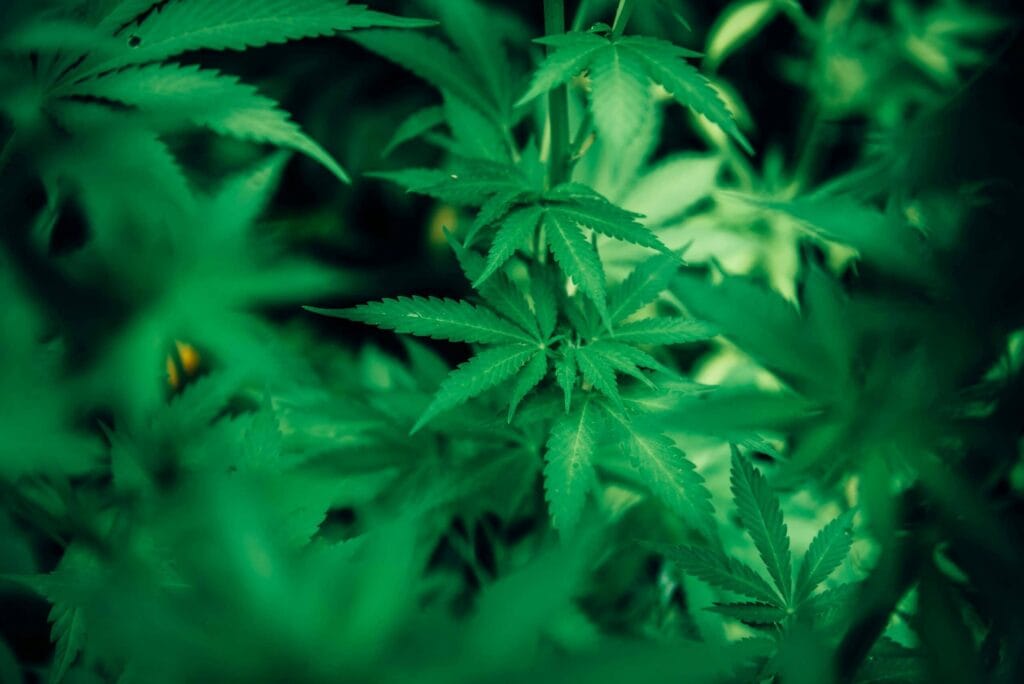
Hemp and cannabis are both Cannabis sativa. The difference lies in how much THC the plant produces. THC is the compound that causes a high and that is controlled under the UN drug conventions. Industrial hemp has been bred for fibre and seeds and contains only small amounts of THC. Instead, it often contains more CBD, which does not cause a high.
Hemp has been grown for thousands of years and is used today for textiles, paper, building materials, animal bedding and foods such as hemp seeds and hemp seed oil. The flowers also contain cannabinoids such as CBD and CBG and a wide range of terpenes, the aromatic compounds that give each variety its character. Researchers describe the way these compounds may work together as the entourage effect. You can read more about the differences in our guide to CBD and THC.
What the EU regulates
The EU regulates the growing of hemp through the Common Agricultural Policy. According to Regulation (EU) 2021/2115, farmers only receive support for hemp if they grow varieties from the EU catalogue with no more than 0.3% THC. The limit was 0.2% until 1 January 2023. Farmers must use certified seed, and national authorities check the THC content in the fields.
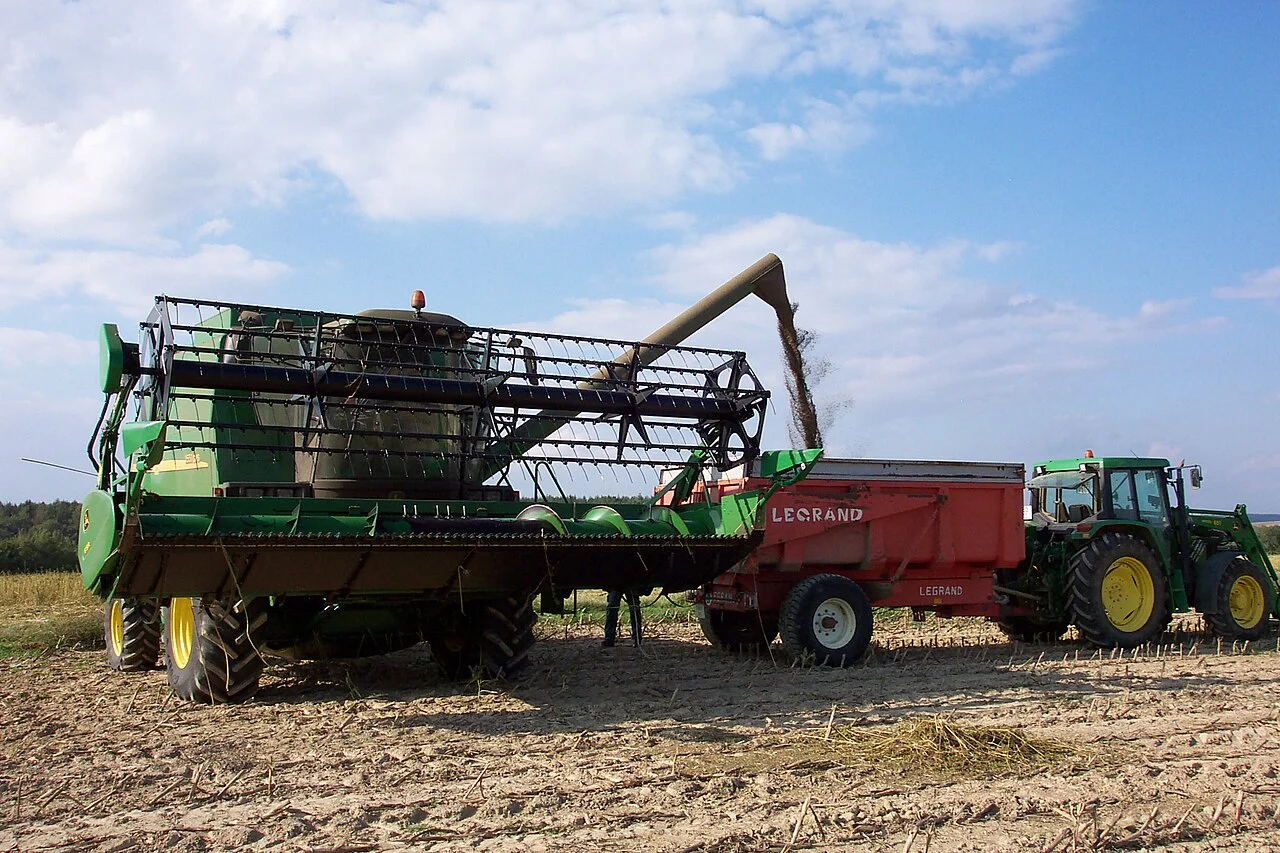
It is important to understand what the 0.3% limit covers. It applies to the plants in the field and decides which varieties farmers may grow. It is not an EU-wide limit for finished products. How much THC a flower, a hash or an oil may contain is decided by each country.
CBD is not a narcotic
The most important ruling came in 2020. In the Kanavape case (C-663/18), the Court of Justice of the European Union found that CBD extracted from the whole hemp plant is not a narcotic under the UN Single Convention. A member state therefore may not ban the sale of CBD that has been lawfully produced in another member state, unless the ban is needed to protect public health and does not go further than necessary.

The ruling concerned CBD as a substance. It did not settle how countries may treat hemp flowers or products that contain THC, and that is why the rules still differ.
CBD flowers and CBD hash
CBD flowers, also called CBD buds, are the dried flowers of industrial hemp. CBD hash is made from plant material from the same plants, mainly the resin-rich trichomes of the flowers, pressed together. Both may contain up to 0.3% THC when they come from approved varieties.
This is where national law makes the biggest difference. The UN Single Convention from 1961 defines cannabis as the flowering or fruiting tops of the plant, while cultivation exclusively for fibre and seeds falls outside the convention. Some countries therefore accept flowers from approved hemp with a low THC content, while others treat all cannabis flowers as narcotics regardless of THC. Courts in some member states have asked the Court of Justice of the EU how far such national bans can go under EU law, so the picture may change in the coming years.
All our CBD flowers and CBD hash come from EU-approved varieties and have a lab report that shows the content of THC and other cannabinoids. You will find the flowers in our shop under CBD flowers, and the differences between the kinds of hash are explained in our article on types of CBD hash.
CBD oil and other extracts
CBD oils, vape cartridges and other extracts are also regulated nationally. Some countries accept a small amount of THC in a finished product, while others require it to be completely free from THC. Products sold with claims about preventing or treating disease are regulated as medicines everywhere in the EU. We go through the rules for oils in more detail in our article on whether CBD oil is legal in Europe.
THCA, HHC and other cannabinoids
THCA is the acid form of THC. It occurs naturally in the cannabis plant and does not cause a high on its own, but it turns into THC when heated. In recent years THCA has been sold as isolates and in flowers with a high THCA content, and several European countries have responded by classifying it or by counting THCA together with THC when they measure a product. Some countries make an exception for the THCA that occurs naturally in compliant hemp.
Semi-synthetic cannabinoids are made by chemically converting CBD. HHC has been banned in most European countries, and in March 2025 the UN Commission on Narcotic Drugs placed it under international control. We do not sell such substances, and we explain why in our article on synthetic cannabinoids.
Drug tests and driving
Drug tests look for THC and its breakdown products. Since CBD flowers and CBD hash may contain up to 0.3% THC, they can cause a positive drug test even when the product is legal. A THC-free oil should not, as long as it really is free from THC.
Many European countries have zero tolerance or very low limits for THC in the blood when driving. Keep this in mind if you are tested at work, compete in sport or drive.
Travelling and buying from abroad
It is always the law in the country where you are that applies. A product that is legal where it was bought can be illegal in the country you bring it to or order it to, and customs may seize it. Check the rules in your own country, and in the country you are travelling to, before you buy or pack hemp products.
How to buy legal hemp products
- Check that there is a recent lab report for the batch you buy, and that it comes from an independent lab.
- Look at the THC content and compare it with the limit in your country.
- Check that the product comes from EU-approved hemp varieties.
- Avoid products with THCA isolate, HHC and similar substances.
- Be sceptical of sellers who make health claims about their products.
You will find the lab reports for all our products under lab reports.
Is hemp legal in the EU?
Yes. Farmers in the EU may grow hemp varieties from the EU catalogue with no more than 0.3% THC. How finished products such as flowers, hash and oils are regulated is decided by each country.
Is CBD legal in Europe?
CBD itself is not a narcotic under EU law. The Court of Justice of the EU ruled in 2020 that member states may not ban CBD lawfully produced in another member state without a proven health reason. National rules on THC in products still apply.
Are CBD flowers legal?
It depends on the country. Some countries accept flowers from approved hemp with a low THC content, while others treat all cannabis flowers as narcotics regardless of THC. Always check the rules where you live.
What does the 0.3% THC limit mean?
It is the EU limit for which hemp varieties farmers may grow. It is not a common EU limit for finished products, which are regulated by each country.
Can CBD flowers show up on a drug test?
Yes. CBD flowers may contain up to 0.3% THC, and drug tests look for THC and its breakdown products.
How you use our products is your own responsibility, and it is up to you to check the rules in your country. This article summarises the EU rules as of September 2026 and is not legal advice.
Sources
- European Union (2021). Regulation (EU) 2021/2115 on CAP Strategic Plans, Article 4.
- European Commission. Hemp.
- Court of Justice of the European Union (2020). Case C-663/18, Kanavape, press release 141/20.
- United Nations (1961). Single Convention on Narcotic Drugs.
- WHO (2025). UN Commission approves WHO recommendations to place psychoactive substances under international control.
- EUDA (2026). European Drug Report 2026: New psychoactive substances.