Dry Herb Vaporizers: The Technology Behind Pure Flavor
Within the culture surrounding dry herbs, combustion has long been the established standard, and for many it remains a ritual part of the experience. But as technology advances, more and more enthusiasts are choosing to add a Dry Herb Vaporizer to their collection. It’s not about replacing old traditions, but about exploring a method that offers a completely different level of control, flavor precision, and efficiency.
By understanding the science behind vaporization, users can maximize the potential of their herbs and identify aroma profiles that would otherwise be lost in smoke.

How Does Vaporization Work in Practice?
When you light a joint with dry herb using an open flame, the temperature quickly exceeds 600°C. Although smoking herbs is a cleaner experience than tobacco, the uncontrolled heat means that many of the delicate aromatic compounds — terpenes — are instantly destroyed.
A vaporizer, by contrast, functions like a precision oven. It heats the material to the exact point where the active compounds turn into vapor (usually between 170°C and 215°C), but stays just below the point of combustion. The result is a clean vapor that carries the herb’s true character rather than the taste of fire and paper.
Why Add a Vaporizer to Your Setup?
Cleaner Flavor Reproduction and Nuance
Maximized Efficiency and Economy
A Cooler Experience for the Throat
Although combustion is a deeply rooted part of the culture, smoke can sometimes feel harsh. Vapor from a vaporizer is significantly smoother and cooler. By eliminating smoke particles and tar, it provides a cleaner inhalation that allows the herb’s natural characteristics to take center stage without irritating the airways.
The Importance of Material Choice for Vapor Quality
- When comparing different models, the materials used in the device affect both temperature and purity: Ceramic heating chambers: An inert material that does not release any flavor of its own. It provides very clean vaporization and maintains stable heat over time.
- Stainless steel heating chambers: Deliver faster heat-up times and are extremely durable. Ideal for those who want a robust device that produces dense vapor instantly.
- Borosilicate glass air paths: Many premium models use glass tubes or mouthpieces. Glass cools the vapor effectively and ensures that no unwanted flavors are introduced on its way from the chamber.
Technology Choice: Conduction vs. Convection
Conduction - Direct Contact
- Here, the herbs are in direct contact with the heating element, similar to a frying pan. Advantages: Fast heat-up time, easy to use, and compact devices.
- Best for: Those who prioritize discretion and speed.
Convection - Hot Air Circulation
- Here, the heat source never touches the material. Instead, air is heated and drawn through the herbs as you inhale. Advantages: Provides more even vaporization and is often considered the gold standard for flavor. The material is only consumed when you actually take a draw.
- Best for: The enthusiast who wants to sit down and explore every layer of flavor in their herbs.
How to Optimize Your Session
- The Art of Grinding: A vaporizer performs best with an even, medium-fine grind. Use a proper herb grinder for optimal results.
- Proper Packing: Fill the chamber evenly, but avoid packing too tightly. Air must be able to flow freely.
- Temperature Stepping: Start low (around 175–185°C) for flavor, then gradually increase toward 200°C+ near the end for maximum vaporization.
FAQ - Common Questions About Vaporization
How do I know when the herbs are fully vaporized?
Not really. Brush out the chamber while it’s still warm, and do a deep clean with isopropyl alcohol from time to time to keep the flavor at its best.
Does it require a lot of maintenance?
Not really. Brush out the chamber while it’s still warm, and do a deep clean with isopropyl alcohol from time to time to keep the flavor at its best.
Does vaporizing smell less than smoking?
Yes, significantly. Vapor is light and dissipates quickly, and it doesn’t cling to fabrics. The aroma is more reminiscent of warm herbs and fades rapidly with normal ventilation.
What temperature is best?
Below 190°C, flavor and aroma are prioritized. Above 200°C, the vapor becomes denser and the experience more intense.
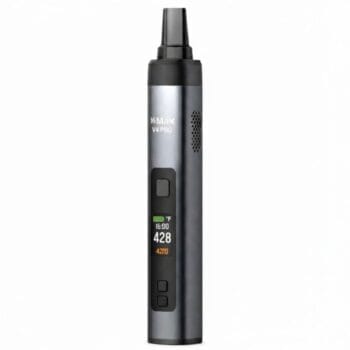
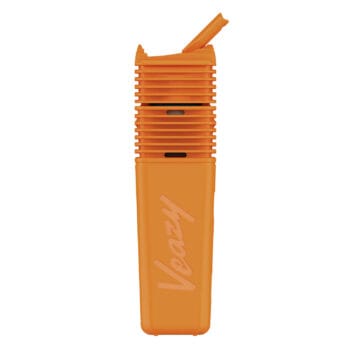
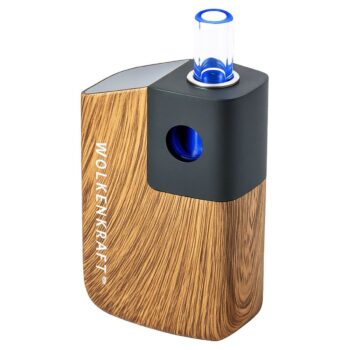
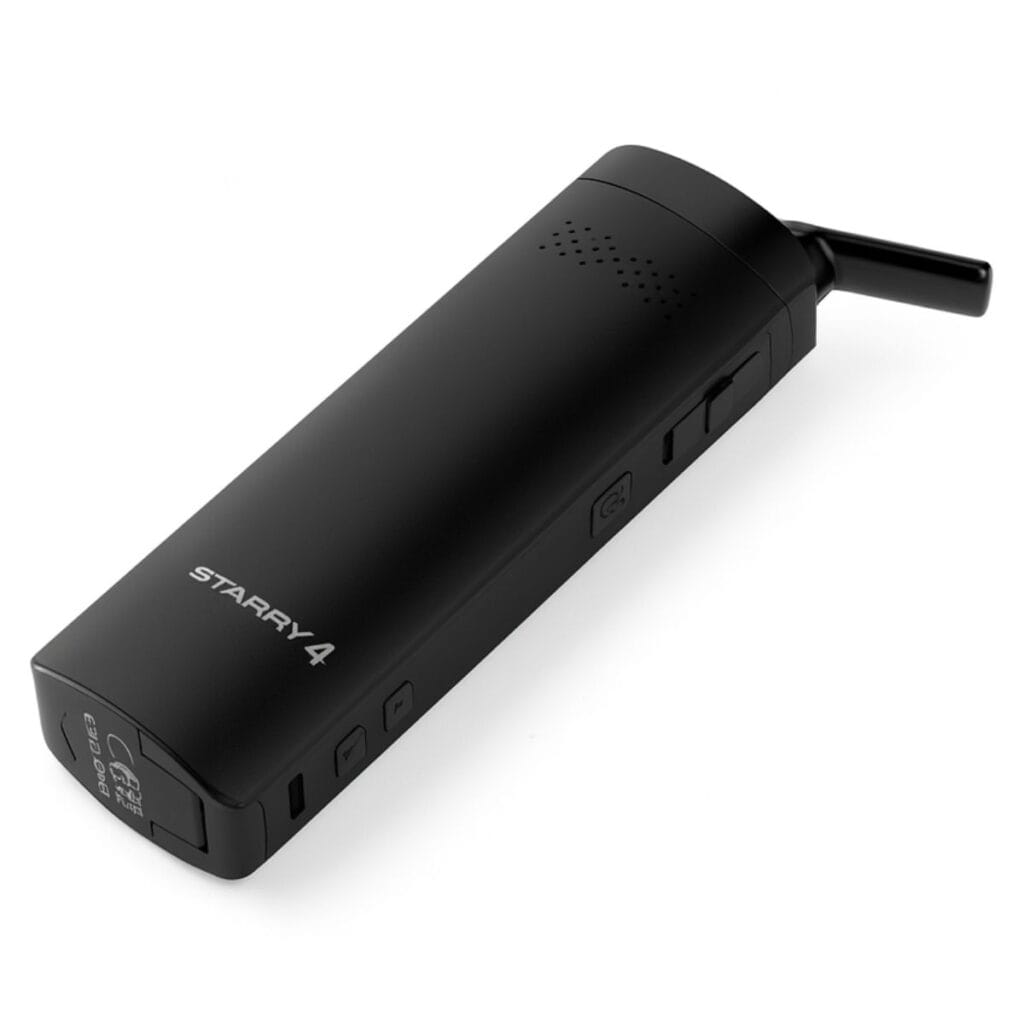
New in the Range: Selected Dry Herb Vaporizers
- €120,01
-
- €269,92
-
- €186,12
-
- €97,67
-
- €93,01
-