Nordic Terpenes at a glance
- Nordic Terpenes is a brand from Raw Hemp and Generalens Hampa offering strain-specific terpene profiles that recreate the aroma and flavour of well-known cannabis strains.
- The range consists of 15 profiles in 5 ml bottles. The profiles are cannabinoid-free, meaning they contain no THC and no CBD.
- The terpenes are concentrated and must always be diluted. For e-liquid, the recommendation is to start at 3 percent and never exceed 10 percent.
What is Nordic Terpenes?
Nordic Terpenes is a collaboration between Raw Hemp and Generalens Hampa. The idea is simple: capture the aroma and flavour that make a particular cannabis strain recognisable and put it in a small bottle you can use to flavour your own products.
Each bottle contains a terpene profile. That is a blend of terpenes, the aromatic compounds that give cannabis its scent, put together to resemble a specific strain such as Jack Herer, Wedding Cake or Girl Scout Cookies. The profiles contain no cannabinoids, so they neither get you high nor contain CBD. They are made for flavour and aroma.
What are strain-specific terpenes?
Terpenes are aromatic compounds found in many plants. Terpenes are the reason lemons smell of citrus, pine forests smell of needles and lavender smells floral. The cannabis plant produces more than a hundred different terpenes in the same glandular hairs, the trichomes, that also produce the cannabinoids. We explain more in our article What are terpenes in cannabis?
Terpenes are the main reason two cannabis strains can smell completely different. How much of each terpene a plant produces is largely controlled by its genes, and researchers have shown that strains can be told apart by their terpene composition alone. Strain-specific terpenes, or terpene profiles, aim to recreate exactly that composition.
The Nordic Terpenes profiles are built from individual terpenes, listed in the ingredients of each product, together with natural and artificial flavourings. These are known as botanical terpenes. There are also terpenes extracted directly from the cannabis plant, called CDT, which we cover further down.
Common terpenes in the profiles
- Myrcene has an earthy, musky scent and is one of the most common terpenes in cannabis.
- Limonene smells of citrus and is also found in citrus peel.
- Beta-caryophyllene has a spicy, peppery note and is also found in black pepper.
- Alpha- and beta-pinene give the scent of pine and conifer forest.
- Terpinolene is fresh, herbal and slightly floral and dominates in some strains, such as Jack Herer.
- Linalool is floral and found in large amounts in lavender.
CDT: cannabis derived terpenes
CDT stands for cannabis derived terpenes, terpenes that come from the cannabis or hemp plant itself. Instead of assembling a profile from terpenes of other plants, the aromatic compounds are extracted from the plant, usually by distillation. The result is a profile that has the strain’s own composition from the start.
The difference is noticeable because the smell of cannabis does not come from the major terpenes alone. The plant contains hundreds of volatile compounds, many in very small amounts. In 2021, researchers showed that the typical skunky smell comes largely from a group of sulphur compounds, above all 3-methyl-2-butene-1-thiol, which is present in extremely low concentrations yet defines the aroma. Such compounds are hard to recreate in a botanical blend, but in CDT they can carry over from the plant. That is why CDT is often perceived as fuller and more authentic in flavour.
| Botanical terpenes | CDT | |
|---|---|---|
| Origin | Terpenes from other plants, blended to resemble a strain | Extracted directly from the cannabis or hemp plant |
| Aroma and flavour | Clean and distinct | Complex and close to the living plant |
| Between batches | Very consistent | Can vary slightly with the harvest |
| Price | Lower | Higher |
CDT is used the same way as other terpene profiles: always diluted and in small amounts. Terpenes are not cannabinoids, but always check the lab report for the product you buy.
We will soon be selling CDT. You can already read more about the difference in Cannabis derived terpenes in vapes and Botanical vs live terpenes.
All terpene profiles from Nordic Terpenes
The range consists of 15 profiles. The type, indica, sativa or hybrid, indicates which kind of strain the profile is inspired by and describes aroma and flavour, not any effect.
| Profile | Type | Aroma and flavour |
|---|---|---|
| Blue Cheese | Indica | Balanced cheese with berries and a skunky finish |
| Blueberry Afgoo | Indica | Sweet berries and nuts with a spicy Afghan note |
| Bubblegum | Indica | Classic sweet bubblegum with hints of nutty kush |
| Dosidos Cookies | Hybrid | Warm and floral with sweet notes and a light skunky tone |
| Girl Scout Cookies | Indica hybrid | Fresh and sweet with kush, mint and lemon |
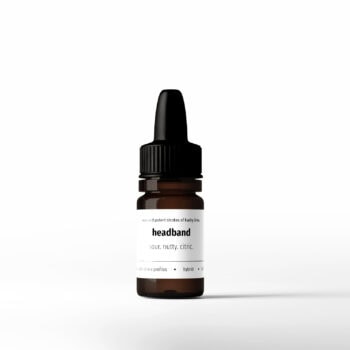
| Headband | Hybrid | Sour lime against a nutty kush base |
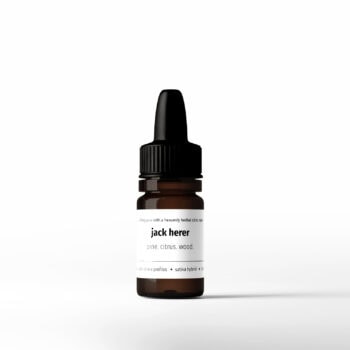
| Jack Herer | Sativa hybrid | Pine and wood with a bright, herbal citrus note |
| Pineapple Express | Hybrid | Sweet and sour fruit with clear pine |
| Platinum OG | Indica hybrid | Skunk and pine with a sweet, caramelised note |
| Strawberry Cough | Sativa | Fresh strawberry sweetness with a hazy finish |
| Strawnana | Indica | Ripe strawberries and bananas with kushy notes |
| Sugar Punch | Sativa hybrid | Ripe fruit and sour lemon with a sweet, nutty undertone |
| Sunset Sherbert | Indica hybrid | Sweet, buttery yellow fruits |
| Super Sour Diesel | Sativa | Sour citrus, floral notes and a distinct fuel aroma |
| Wedding Cake | Indica hybrid | Gassy, herbal base with a dessert-like sweetness |
You will find the whole range in our terpenes category.
Terpenes and the entourage effect
Terpenes are more than scent. In cannabis research there is talk of the entourage effect, the idea that the plant’s compounds work together and create a richer whole than each compound on its own. Neurologist Ethan Russo summarised the idea in a widely cited review in 2011, describing how terpenes and cannabinoids may influence each other.
It is one of the reasons many people want the terpenes included when they use hemp products, and why full-spectrum products that keep the plant’s own terpenes have become so popular. How strong this interaction is in humans has not yet been established, and research is ongoing. What is certain is that terpenes account for a large part of the experience of aroma and flavour.
How to use Nordic Terpenes
The terpene profiles are highly concentrated and must never be used undiluted. Here is how to get started:
- Shake the bottle before use.
- Always dilute. For e-liquid, the recommendation is to start at 3 percent of the total volume and increase carefully until you find the flavour you want. Never use more than 10 percent.
- Start low. The flavour is intense, and it is easier to add more than to dilute a blend that has become too strong.
- Mix thoroughly so the terpenes are evenly distributed.
Keep the temperature down too. Researchers at Portland State University showed in 2017 that terpenes heated strongly, as in dabbing, can break down into compounds such as methacrolein and benzene. The lower the temperature, the more of the original flavour remains.
Handle the concentrate with care
Concentrated terpenes can irritate the skin, eyes and mucous membranes. Avoid skin contact, wipe up spills and wash your hands after handling. Keep the bottles out of reach of children and pets.
Storage and shelf life
Store the terpenes in the dark, at room temperature and with the cap tightly closed. Light, heat and oxygen break the terpenes down and make the aroma weaker over time.
Oxygen matters in another way too. Some terpenes, such as limonene and linalool, oxidise on contact with air and form hydroperoxides. These are considerably more likely to cause skin allergy than the original compounds. One more reason to put the cap back on right after use.
Frequently asked questions about Nordic Terpenes
What is Nordic Terpenes?
Nordic Terpenes is a brand from Raw Hemp and Generalens Hampa offering terpene profiles that recreate the aroma and flavour of well-known cannabis strains. The profiles are used to flavour products such as e-liquid.
What are strain-specific terpenes?
Strain-specific terpenes are blends of terpenes put together to match the aroma and flavour of a particular cannabis strain, such as Jack Herer or Wedding Cake. They are also called terpene profiles.
Does Nordic Terpenes contain THC or CBD?
No. The profiles are cannabinoid-free and contain neither THC nor CBD. They provide aroma and flavour, not a high.
How much terpenes should you add to e-liquid?
Start at 3 percent of the total volume and increase carefully until you get the flavour you want. Never use more than 10 percent.
Can you use the terpenes undiluted?
No. The profiles are concentrated and must always be diluted before use. Undiluted terpenes can irritate the skin and mucous membranes.
What do indica, sativa and hybrid on the bottle mean?
They indicate which kind of cannabis strain the profile is inspired by and say something about its aroma and flavour. They do not describe any effect.
How should you store terpenes?
In the dark, at room temperature and with the cap tightly closed. That way the terpenes keep their aroma longer and do not oxidise unnecessarily.
What is CDT?
CDT stands for cannabis derived terpenes, terpenes extracted directly from the cannabis or hemp plant. They give a more complex aroma and flavour than botanical terpenes and are diluted and used the same way.
What is the difference between botanical terpenes and CDT?
Botanical terpenes come from plants other than cannabis and are blended to resemble a strain. CDT, cannabis derived terpenes, is extracted directly from the cannabis plant and therefore carries more of the strain’s own aromatic compounds.
Sources
- Arbets- och miljömedicin, Region Östergötland (2024). Terpener [fact sheet in Swedish].
- Booth, J. K. & Bohlmann, J. (2019). Terpenes in Cannabis sativa: from plant genome to humans. Plant Science, 284, 67–72.
- DermNet (2023). Contact allergy to hydroperoxides of limonene and linalool. dermnetnz.org.
- Hazekamp, A. & Fischedick, J. T. (2012). Cannabis: from cultivar to chemovar. Drug Testing and Analysis, 4(7–8), 660–667.
- Meehan-Atrash, J., Luo, W. & Strongin, R. M. (2017). Toxicant formation in dabbing: the terpene story. ACS Omega, 2(9), 6112–6117.
- Oswald, I. W. H. et al. (2021). Identification of a new family of prenylated volatile sulfur compounds in cannabis revealed by comprehensive two-dimensional gas chromatography. ACS Omega, 6(47), 31667–31676.
- Russo, E. B. (2011). Taming THC: potential cannabis synergy and phytocannabinoid-terpenoid entourage effects. British Journal of Pharmacology, 163(7), 1344–1364.