Terpenes in brief
- Terpenes are aroma compounds that plants make themselves. They are the reason lavender smells like lavender.
- Researchers have found more than 150 different terpenes in cannabis and hemp. Which ones dominate varies from strain to strain.
- Terpenes are not cannabinoids and will not get you high, but they work together with the cannabinoids. This is known as the entourage effect.
What are terpenes?
Terpenes are a large group of compounds that plants produce to give off a scent. More than 30,000 are known in nature, and most of us recognise a few of them without knowing their names: the smell of a freshly peeled orange is limonene, the smell of a pine forest is pinene, and much of the scent of lavender is linalool.
Chemically, terpenes are built from small units called isoprene. The more units, the larger and heavier the molecule. The lightest terpenes evaporate quickly, which is why a plant can smell so strongly when you rub a leaf between your fingers.
When people talk about essential oils, they are largely talking about terpenes. An essential oil is simply a plant’s aroma compounds in concentrated form.
Why do plants make terpenes?
Plants do not make terpenes for our benefit. The scent does several jobs:
- Defence. Many terpenes taste bad or irritate insects and grazing animals.
- Attracting pollinators. The scent of a flower is often a blend of terpenes.
- Protection against heat and stress. Some terpenes help the plant cope with drought and high temperatures.
Terpenes in cannabis and hemp
In the cannabis plant, terpenes are made in the trichomes, the tiny glittering hairs that cover the flowers. These are the same glands that produce cannabinoids such as CBD and THC. That is why the aroma and the cannabinoids sit in the same place, and why a dried flower smells so much stronger than a leaf.
More than 150 terpenes have been identified in cannabis, but most of them only occur in trace amounts. Usually a handful account for most of the aroma. Together, terpenes often make up around 1–3 per cent of the flower’s dry weight.
Which terpenes dominate depends on the strain, how it was grown, when it was harvested and how the flowers were dried and stored. Two CBD flowers with the same CBD content can therefore smell completely different: one fresh and citrusy, the other earthy and heavy.
The most common terpenes in cannabis
These are the terpenes you will come across most often in cannabis and hemp, and where you may recognise the scent from elsewhere.
| Terpene | Aroma | Also found in |
|---|---|---|
| Myrcene | Earthy, herbal, slightly fruity | Hops, mango, thyme |
| Limonene | Citrus | Orange and lemon peel |
| Beta-caryophyllene | Peppery, spicy | Black pepper, cloves |
| Pinene | Pine forest, resin | Pine, spruce, rosemary |
| Linalool | Floral, sweet | Lavender, coriander |
| Humulene | Woody, dry | Hops |
| Terpinolene | Fresh, slightly floral and fruity | Apple, lilac, tea tree oil |
Myrcene
Myrcene is the terpene that most often dominates in cannabis. It smells earthy and herbal with a soft, fruity note, a bit like ripe mango. Myrcene is also found in large amounts in hops, and part of the aroma of a hoppy beer comes from it.
Strains rich in myrcene are usually described as relaxing, and there is research to back this up: in a Brazilian study on mice, myrcene had a clear calming effect.
Limonene
Limonene gives the unmistakable citrus scent, and it is the same compound found in the peel of oranges and lemons. It is one of the most common aroma compounds in the world and is used in everything from cleaning products to food. Strains high in limonene smell fresh and zesty and are associated with a brighter, more upbeat feeling. Citrus scent has also been studied in people: in an Austrian study, patients waiting at the dentist were calmer and in a better mood when the waiting room smelled of orange.
Beta-caryophyllene
Beta-caryophyllene is the peppery note you know from black pepper and cloves. It stands out among terpenes because researchers have shown that it can bind to the CB2 receptor in the body’s endocannabinoid system, something otherwise mainly associated with cannabinoids. What this means in practice is still unclear.
Pinene
Pinene is the smell of a pine forest. It comes in two forms, alpha- and beta-pinene, and together they are among the most common terpenes in nature. In cannabis, pinene adds a fresh, resinous note. Pinene is associated with clarity and focus, and in his review Ethan Russo points out that pinene may counteract some of THC’s effect on short-term memory.
Linalool
Linalool is the floral, slightly sweet scent of lavender. In cannabis it usually occurs in smaller amounts, but it is noticeable in strains with a soft, floral aroma profile. Linalool is also common in perfumes and soaps.
It is no coincidence that lavender has become a classic for relaxation. In a Japanese study from 2018, the scent of linalool had an anxiety-reducing effect in mice, and the effect disappeared when the mice’s sense of smell was blocked. This suggests that the scent itself does the work.
Humulene and terpinolene
Humulene takes its name from hops (Humulus) and gives a dry, woody note. Terpinolene is less common as the main terpene, but it gives a fresh and slightly fruity aroma in the strains where it dominates.
The entourage effect: how terpenes and cannabinoids work together
The entourage effect means that the compounds in the plant work together and produce a different, fuller experience than any single compound does on its own. The term was coined in 1998 by researchers Shimon Ben-Shabat and Raphael Mechoulam, the latter known as the scientist who first identified THC. In 2011, neurologist Ethan Russo brought together the research on how terpenes and cannabinoids influence each other, and his review is now widely cited in the field.
This is why two strains with the same CBD content can feel so different. The terpene profile sets the character: strains rich in myrcene and linalool are often described as calming and relaxing, while strains high in limonene and pinene tend to be experienced as more uplifting and focused.
The same idea explains why many people choose full-spectrum products over isolates. A full-spectrum oil or a CBD flower keeps the plant’s whole profile, with cannabinoids, terpenes and flavonoids in roughly the same proportions as in the plant.
Much of the research so far has been done in the lab and on animals, but the results match how growers and users have long described these strains.
Terpenes in CBD products
How much terpene content a CBD product has depends on how it is made:
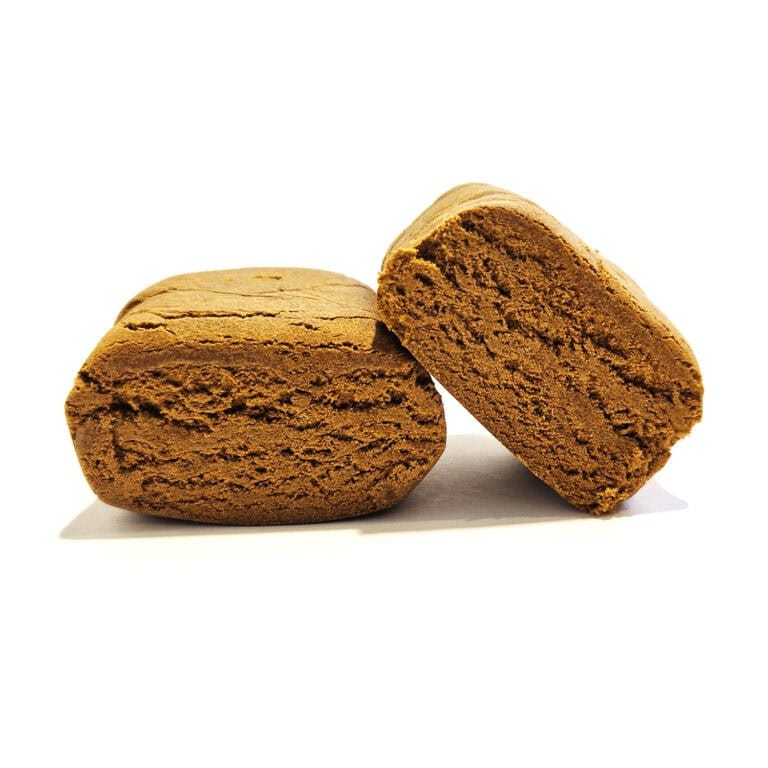
- CBD flowers and CBD hash keep their natural terpenes, as long as they have been dried and stored properly.
- Full-spectrum CBD oil contains terpenes from the plant, which goes a long way towards explaining why some CBD oils taste of grass and others barely taste of anything.
- Isolates and distillates have been refined so far that the terpenes are more or less gone. Sometimes they are added back afterwards for aroma and flavour.
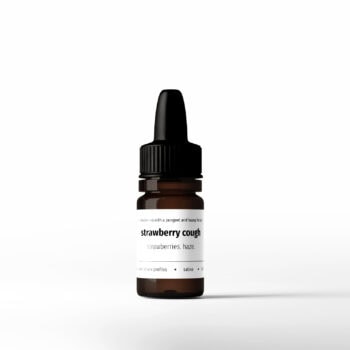
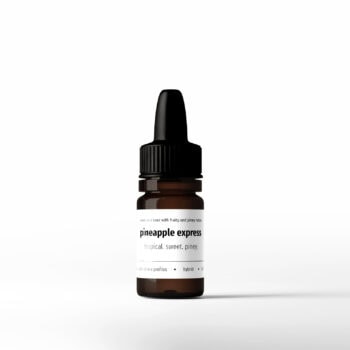
Terpenes can also be bought on their own. We sell terpenes from Nordic Terpenes with profiles that recreate well-known cannabis strains. If you are wondering what the labels mean, we explain the difference between botanical and live terpenes. Terpenes are highly concentrated and should always be diluted and used according to the manufacturer’s instructions.
How to preserve terpenes
Terpenes are volatile. They evaporate and break down with heat, light and air, which is why old or poorly stored hemp loses its aroma. Three simple rules:
- Keep it cool and dark. Room temperature or cooler, never in the sun.
- As little air as possible. An airtight jar or bag makes a big difference.
- The right humidity. Flowers that dry out lose their aroma faster. A humidity pack in the jar keeps the level stable. You will find them under storage.
Frequently asked questions about terpenes
Do terpenes get you high?
No. Terpenes are not psychoactive the way THC is. They provide aroma and flavour and work together with the cannabinoids, but they do not cause intoxication.
What is the entourage effect?
The entourage effect means that cannabinoids, terpenes and other compounds in the plant work together and produce a different experience than each compound on its own. It is one of the reasons many people prefer full-spectrum products.
Which terpenes are calming and which are uplifting?
Myrcene and linalool are associated with calm and relaxation, and both have shown calming properties in animal studies. Limonene and pinene are associated with a more uplifting and focused feeling.
Are terpenes dangerous?
In the amounts found in plants, food and cosmetics they are considered safe. Concentrated terpenes can irritate the skin and mucous membranes and should always be diluted. Limonene and linalool can cause contact allergy once they have oxidised, which is why they are listed on cosmetic ingredient labels.
Is there terpene content in CBD oil?
Yes, in full-spectrum and broad-spectrum oils. Isolates contain none, or only negligible amounts.
Are terpenes the same as essential oils?
Not quite. Essential oils consist largely of terpenes but also contain other aroma compounds.
How many terpenes are there in cannabis?
More than 150 have been identified. Usually three to five of them dominate.
Sources
- Ben-Shabat, S. et al. (1998). An entourage effect: inactive endogenous fatty acid glycerol esters enhance 2-arachidonoyl-glycerol cannabinoid activity. European Journal of Pharmacology, 353(1), 23–31.
- Booth, J. K. & Bohlmann, J. (2019). Terpenes in Cannabis sativa – From plant genome to humans. Plant Science, 284, 67–72.
- do Vale, T. G. et al. (2002). Central effects of citral, myrcene and limonene, constituents of essential oil chemotypes from Lippia alba. Phytomedicine, 9(8), 709–714.
- Gertsch, J. et al. (2008). Beta-caryophyllene is a dietary cannabinoid. PNAS, 105(26), 9099–9104.
- Harada, H. et al. (2018). Linalool odor-induced anxiolytic effects in mice. Frontiers in Behavioral Neuroscience, 12, 241.
- Lehrner, J. et al. (2000). Ambient odor of orange in a dental office reduces anxiety and improves mood in female patients. Physiology & Behavior, 71(1–2), 83–86.
- Russo, E. B. (2011). Taming THC: potential cannabis synergy and phytocannabinoid-terpenoid entourage effects. British Journal of Pharmacology, 163(7), 1344–1364.