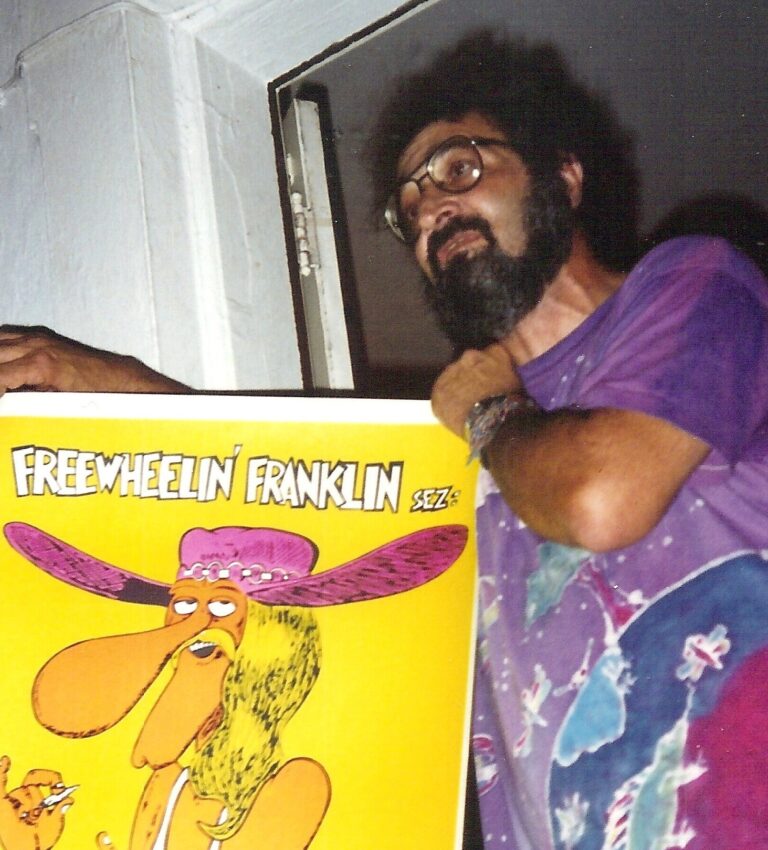
Frenchy Cannoli was one of the most influential figures in traditional hashish. He spent almost two decades learning the craft from growers in Asia and North Africa, then devoted his last years to passing that knowledge on in California. Here we tell the story of his life, his view of hashish as a craft on a par with wine, and what he left behind.
Key facts
- Frenchy Cannoli was born in Nice, France, on 13 December 1956.
- He lived as a nomad for around 18 years, learning to make hashish in countries including Morocco, Nepal, Pakistan and India.
- He spent eight harvest seasons in India’s Parvati Valley, living in caves and hand-rubbing charas with local growers.
- In California he ran the seminar series The Lost Art of the Hashishin and championed terroir and appellations of origin for cannabis.
- He died on 18 July 2021, aged 64, from complications following surgery.
From Nice to the Hippie Trail
Frenchy Cannoli grew up in Nice. At 17 he left home with 450 dollars in his pocket, drawn by the tales of One Thousand and One Nights and the travels of Marco Polo. He followed what became known as the Hippie Trail and over the following years travelled through Mexico, Morocco, Thailand, Pakistan, Nepal and India.
The journey had a clear purpose. Every year he spent three to four months in remote growing regions learning how hashish was made the traditional way. He called these years his retirement taken up front. In Nepal in 1980 he met Kimberly, who became his wife and later went by the name Madame Cannoli.
Charas in the Parvati Valley
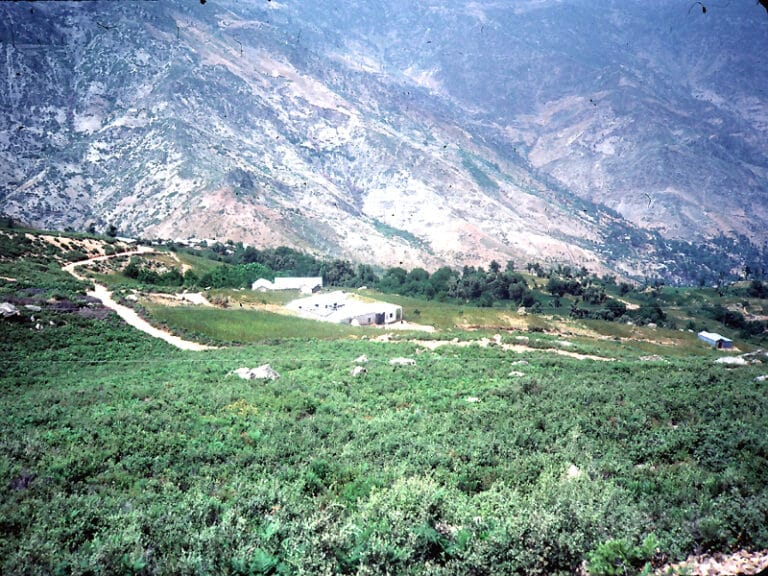
The period that shaped him most was his time in northern India. For eight harvest seasons he lived in caves in Malana and the Parvati Valley in the Himalayas, working side by side with the local growers. He also learned from an Afghan refugee who was a skilled hashish maker.
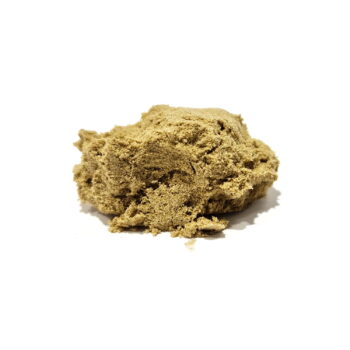
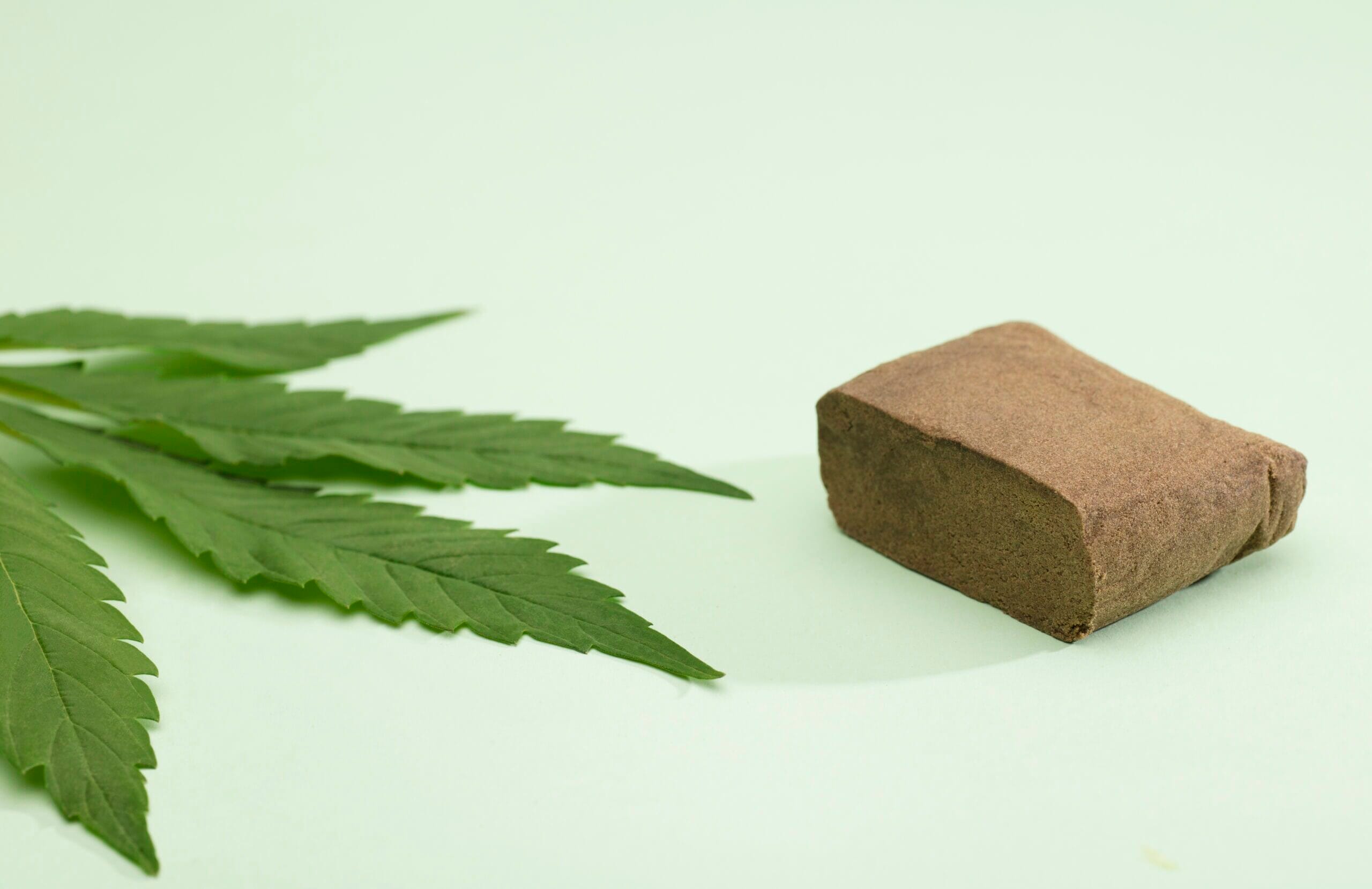
In the Parvati Valley, charas is made by rubbing the living flower heads between the hands until the resin sticks to the palms and can be rolled together. The method differs from the dry sifting used in Morocco, for example, where the dried plant is shaken through fine screens so that the trichomes fall away. We describe how the Moroccan tradition works in the article
Moroccan Hash: Rif Mountains, Dry Sift and Quality.
California and The Lost Art of the Hashishin
After his daughter was born in 1989, Frenchy worked in other fields in Asia, and in the early 2000s the family moved to the San Francisco Bay Area. Once his daughter had left home for college he returned to hashish, now in a very different setting from the Himalayan caves. California’s cannabis market was growing fast, and he wanted to show that traditional methods had a place in it.
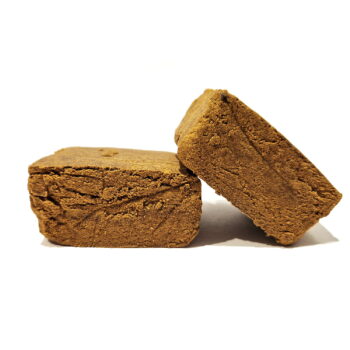
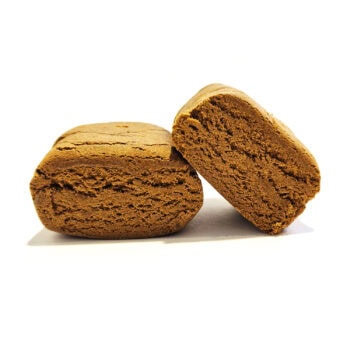
He started the seminar series The Lost Art of the Hashishin, where growers and makers learned sifting, pressing and ageing hashish by hand. He also shared his techniques on YouTube and Instagram, where he had more than 170,000 followers at the time of his death, and wrote for several cannabis magazines. Under the name V.S.O.P., Very Special Olde Press, he made his own pressed hashish. He was also one of the first to study systematically how hashish changes as it ages, which he called affinage after the French term for ageing cheese and wine.
Hashish like wine: terroir and origin
As a Frenchman, Frenchy liked to compare hashish with wine. He believed that the soil, the climate and the grower’s work give the plant a character that should show in the final product, just like terroir in the world of wine. That is why he wanted cannabis to have appellations of origin modelled on the French appellation d’origine contrôlée, which protects wines from Bordeaux, for example.
The idea was also reflected in his own products. He sold only one grade of traditional pressed hashish, and the packaging named both the farmer and the location of the farm. He preferred to work with sun-grown cannabis from small farms. How legalisation in California affected these farms is the subject of the documentary Frenchy Dreams of Hashish by filmmaker Jake Remington.
Frenchy Cannoli’s legacy
Frenchy Cannoli died on 18 July 2021, aged 64, from complications following surgery. At the time of his death he was working on a book about the history of cannabis concentrates. Today Kimberly continues the Frenchy Cannoli brand.
His greatest legacy is the renewed interest in handmade hashish. Many of the makers who today produce hashish by sifting, ice-water washing and hand pressing learned from him, either directly or through his videos. If you want to know more about how different kinds of hashish are made, we have put it all together in
CBD Hash: What It Is, How It’s Made and How to Choose.
Many of the methods Frenchy taught are also used to make CBD hash from industrial hemp with a low THC content. Our shop includes ice-water washed Ice-O-Lator hash and several other kinds of CBD hash, and you will find a selection further down the page. We explain the difference between hash and flowers in
CBD Hash vs. CBD Buds: Understanding the Difference.
Who was Frenchy Cannoli?
Frenchy Cannoli was a French hashish maker, teacher and advocate of traditional hashish. He was born in Nice in 1956, learned the craft over many years in Asia and North Africa and worked in California until his death in 2021.
When did Frenchy Cannoli die?
Frenchy Cannoli died on 18 July 2021, aged 64, from complications following surgery.
What is charas?
Charas is hashish made by rubbing living flower heads between the hands until the resin sticks and can be shaped. The method is traditional in places such as India’s Parvati Valley, where Frenchy Cannoli learned it.
What did Frenchy Cannoli mean by terroir?
He believed that the soil, the climate and the grower’s work give cannabis a unique character, just as with wine. That is why he wanted cannabis to have appellations of origin modelled on French wine appellations.
What was The Lost Art of the Hashishin?
It was Frenchy Cannoli’s seminar series in California, where he taught traditional hashish making with sifting, pressing and ageing.
Sources
- High Times (2021). Paying Our Respects to Revolutionary Educator and Hashmaker: Frenchy Cannoli Passes Away.
- 48 hills (2021). Puff: A farewell to Frenchy Cannoli, master of hashish.
- Leaf Magazine. Requiem for a Hashishin.
- World of Cannabis Museum. Frenchy Cannoli: Requiem for a Hashishin.
- Newsweed. Frenchy Cannoli: the master of artisanal hashish, his life and death.
- Frenchy Cannoli. About.