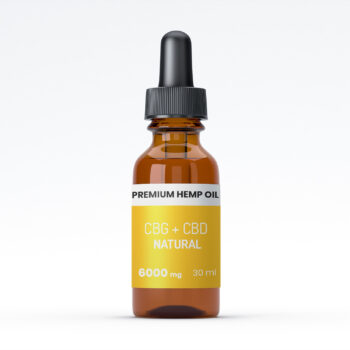
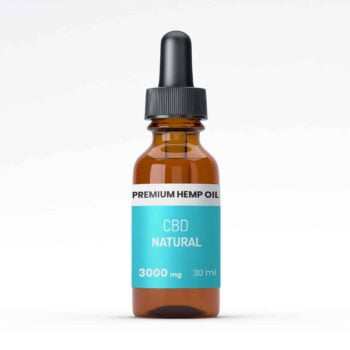
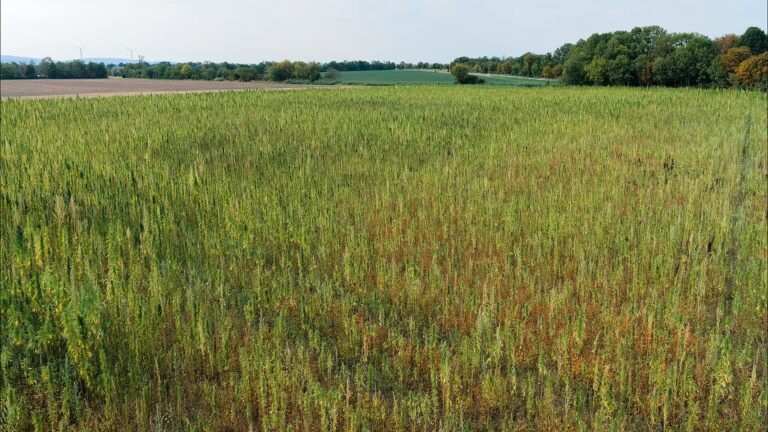
The term hemp oil is used for two quite different things. Sometimes it means the oil pressed from hemp seeds and sold as a cooking oil. Sometimes it means CBD oil, an extract of the hemp flowers mixed into a carrier oil. Both come from the same plant, but they are made from different parts of it and contain entirely different substances.
Here we sort out the difference, what is actually in the bottle and how to tell from the label which oil you are looking at.
In short
- Hemp seed oil is pressed from the seeds. It contains fat, mainly polyunsaturated fatty acids, but practically no cannabinoids.
- CBD oil is made from an extract of the flowers and leaves, where the CBD is, mixed into a carrier oil.
- The carrier oil in a CBD oil can be hemp seed oil, but that does not make hemp seed oil a CBD oil.
- On the label, hemp seed oil is often called Cannabis sativa seed oil. A CBD oil should state its CBD content in percent or milligrams.
What is hemp seed oil?
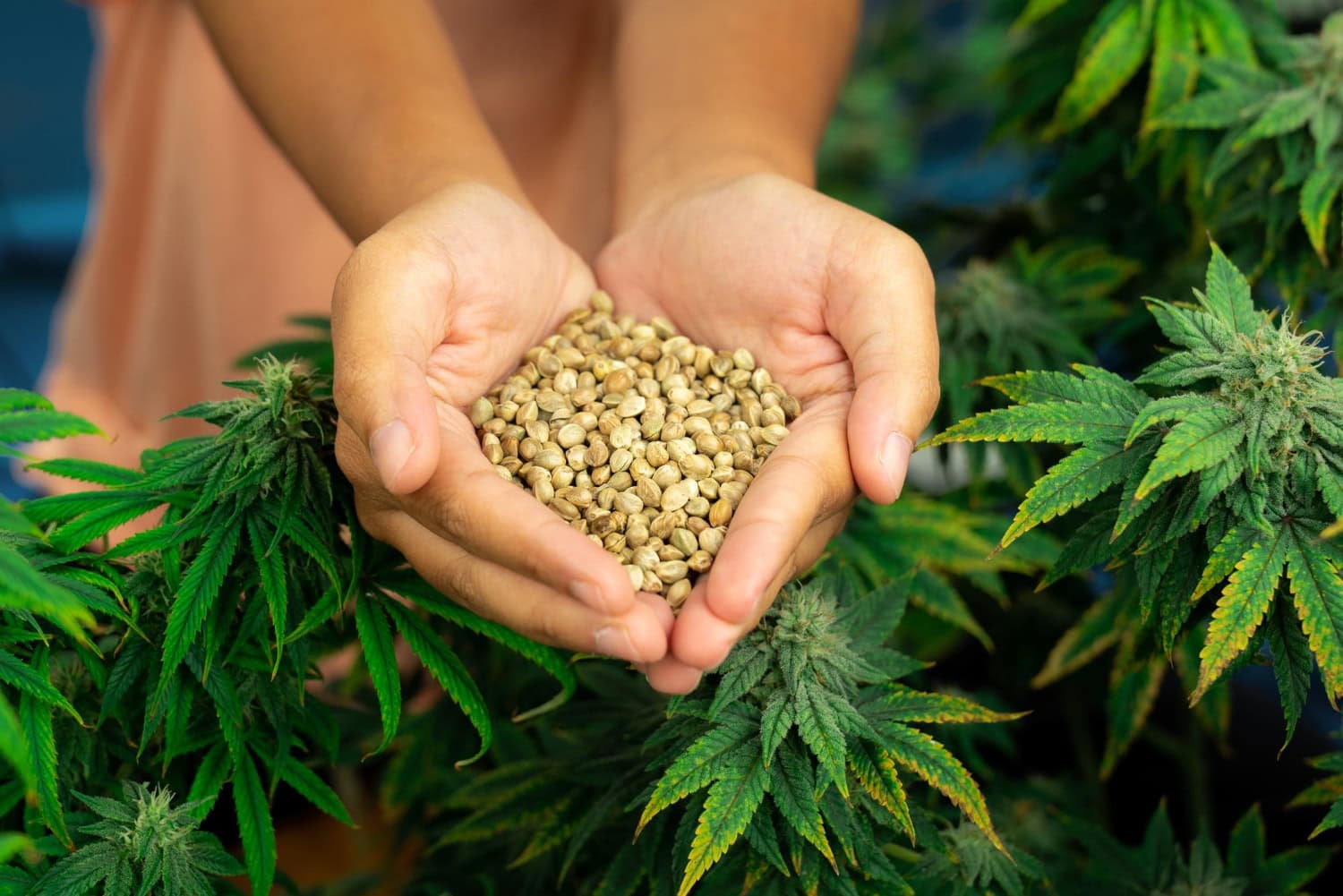
Hemp seed oil is pressed from the seeds of industrial hemp, usually cold-pressed. The seeds are just over 30 percent oil, and more than 80 percent of the fat is polyunsaturated. The ratio of omega-6 to omega-3 is normally between 2:1 and 3:1, and the oil also contains gamma-linolenic acid and stearidonic acid.
The oil is green from chlorophyll and has a nutty, slightly grassy taste. It is mainly used cold, in dressings and cold dishes, as the polyunsaturated fats do not handle heat well. For the same reason it is stored somewhere cool and dark.

Does hemp seed oil contain CBD?
No, practically none. The seeds do not produce cannabinoids themselves. The cannabinoids sit in the flowers and the leaves, and if they turn up in the seed oil it is because the seeds came into contact with plant material during harvest and cleaning.
When Italian researchers tested 15 hemp seed oils from the shops, they found cannabinoids in only one of them, and there the CBD content was around 0.03 percent. Since January 2023, the EU has also had maximum levels for THC in hemp seed foods, and for hemp seed oil the limit is 7.5 milligrams per kilo.
What is CBD oil?
CBD oil is made from the parts of the hemp plant where the cannabinoids are found, that is the flowers and the upper leaves. They are extracted, usually with carbon dioxide or ethanol, and the extract is then mixed into a carrier oil. The extract provides the CBD content, and the carrier oil makes it easy to handle.
MCT oil, olive oil or hemp seed oil itself are common carrier oils. We compare their taste and texture in our article on the best carrier oil for CBD. A more basic overview can be found in our article on CBD oil.
The differences
- Raw material: Hemp seed oil is made from the seeds. CBD oil is made from an extract of the flowers and leaves.
- Content: Hemp seed oil is fat, mostly polyunsaturated fatty acids. CBD oil contains a stated amount of CBD and, depending on the type, other cannabinoids.
- Production: Hemp seed oil is pressed. CBD oil requires extraction and blending.
- Use: Hemp seed oil is sold as a cooking oil and is also used in skincare. CBD oil is sold for its CBD content.
- Lab report: A CBD oil should have a lab report showing the CBD and THC content. For a cooking oil that is unusual.
How to tell them apart on the label
The safest way to know what you are buying is to read the ingredients list and look for a stated CBD content.
- If it only says Cannabis sativa seed oil or hemp seed oil, and gives no CBD content, it is an ordinary seed oil.
- A CBD oil states its CBD content in percent or milligrams and mentions an extract, such as hemp extract or cannabidiol.
- A reputable CBD oil has a lab report from an independent lab. We explain how to read one in our guide on CBD lab reports.
The carrier oil also affects the taste. A CBD oil with hemp seed oil as its base tastes of grass more often than one with MCT, and we explain why in our article on why CBD oil can taste like grass.
Is hemp oil the same as CBD oil?
Not always. Hemp oil can mean hemp seed oil, which is pressed from the seeds and contains hardly any cannabinoids, or CBD oil, which is made from an extract of the flowers. Read the label to see which one it is.
Does hemp seed oil contain THC?
The seeds do not produce THC themselves, but traces can occur if the seeds have been in contact with plant material. Since 2023 the EU has had a maximum level of 7.5 milligrams of THC per kilo of hemp seed oil.
Can a CBD oil contain hemp seed oil?
Yes, hemp seed oil is often used as a carrier oil. The CBD then comes from the extract that has been blended in, not from the seed oil.
What is hemp seed oil called in the ingredients list?
In cosmetics and many foods it is listed as Cannabis sativa seed oil or hemp seed oil. That means it is a seed oil and not an extract containing CBD.
Sources
- Callaway, J. C. (2004). Hempseed as a nutritional resource: An overview. Euphytica, 140.
- Risoluti, R. et al. (2020). Development of a “single-click” analytical platform for the detection of cannabinoids in hemp seed oil. RSC Advances.
- European Commission. (2022). Commission Regulation (EU) 2022/1393 as regards maximum levels of delta-9-tetrahydrocannabinol in hemp seeds and products derived therefrom.