Perth, Australia, 24 July 1990. Nevil Schoenmakers is home visiting his family when the police arrest him. It is the US government that wants him extradited. His crime is selling cannabis seeds from the Netherlands to customers in the United States through advertisements in High Times magazine. The extradition never goes through, because what he did was legal in the Netherlands, and the charges are dropped.
This is the fifth and final part of our series on the Hippie Trail. The overland road closed in 1979, but what the travellers had brought home lived on. Seeds, knowledge, smuggling routes and ideas became the foundation for much of the cannabis culture we see today. Here we tell the story of some of the people who carried the legacy forward, and of what happened next.
At a glance
- Seeds from Afghanistan, Thailand, Mexico, Colombia and other countries became the basis for the varieties bred in California and the Netherlands.
- Seed banks such as The Seed Bank, founded in 1984, and Sensi Seeds, founded in 1985, made Amsterdam the centre of cannabis seeds.
- The Welshman Howard Marks smuggled hash from Pakistan, Lebanon, Thailand and elsewhere for two decades and was arrested in 1988.
- 1985 saw both Jack Herer’s book The Emperor Wears No Clothes and the opening of the Hash Marihuana & Hemp Museum in Amsterdam.
- Since 2013 several countries have legalised cannabis, among them Uruguay, Canada, Malta, Luxembourg and Germany.
The seeds that became new varieties
As we described in part two, travellers and smugglers brought seeds home from Afghanistan. But not only from there. According to the researchers Robert C. Clarke and Mark Merlin, seeds from many of the traditional growing countries were easy to come by in the 1960s and early 1970s, and the early growers in the West crossed them with each other again and again. Varieties that have been grown locally for generations are known as landraces.
One of those who crossed the landraces was the American David Watson, better known as Sam the Skunkman. In the early 1970s he hitchhiked from Morocco to India, and at the end of the decade he helped develop Skunk #1 in California, a cross of Afghan, Mexican and Colombian varieties. In the spring of 1985 he moved to Amsterdam and brought his seeds with him. According to Clarke and Merlin, the Dutch varieties are largely based on three varieties from the US West Coast: Northern Lights, Skunk No. 1 and Haze.
Amsterdam becomes the city of seeds
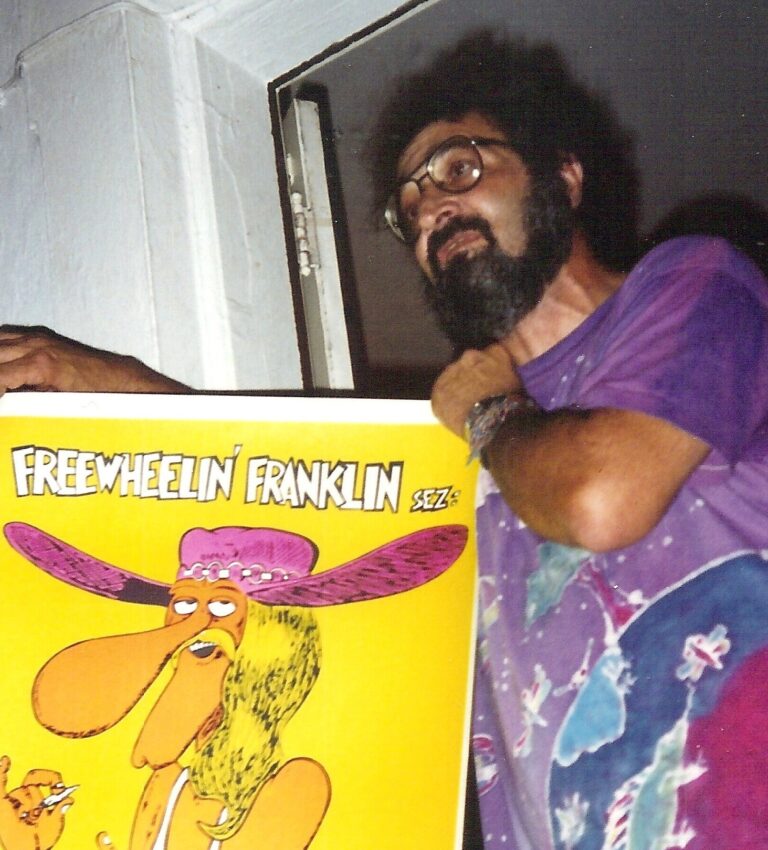
Nevil Schoenmakers was born in Perth in 1956 and founded The Seed Bank in the Netherlands in 1984. He was the first to sell cannabis seeds directly to the public through advertisements in High Times. It was those advertisements that led to his arrest in Perth in 1990. He died in 2019.
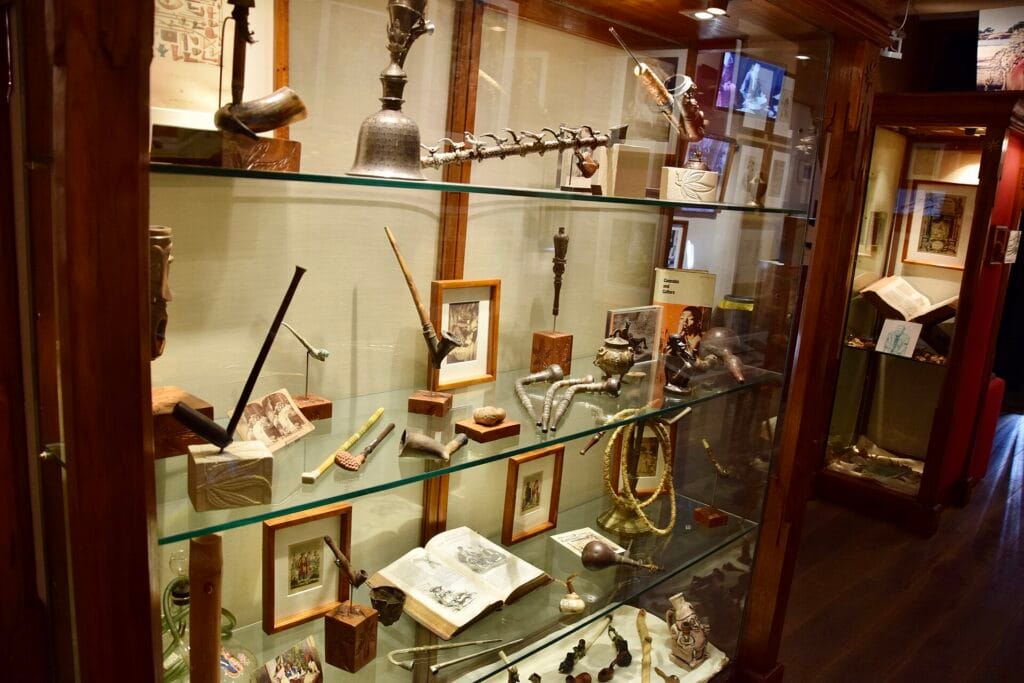
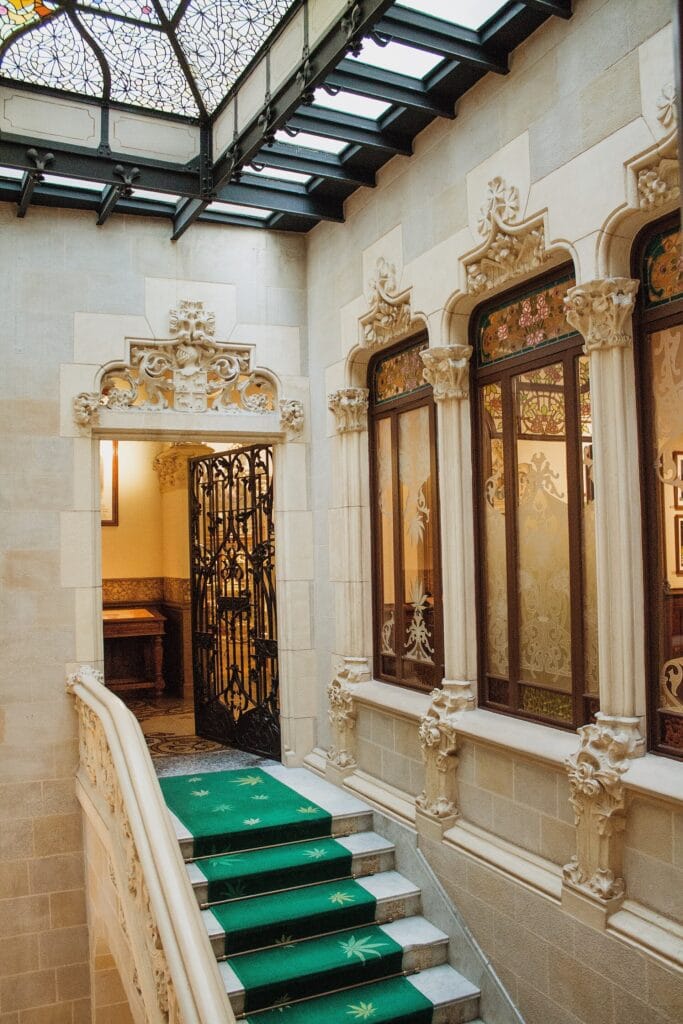
A year after Schoenmakers came the Dutchman Ben Dronkers. He has said that he travelled to Pakistan in the early 1970s and brought seeds home. In 1985 he founded Sensi Seeds, and the same year he opened the Hash Marihuana & Hemp Museum in Amsterdam. The museum shows the history of cannabis, from old pipes and hemp fibre to art and posters, and in 2012 a branch opened in Barcelona. Ben Dronkers will get a portrait of his own in the series.
The smugglers
The Hippie Trail also created smuggling routes. One of the best-known smugglers was the Welshman Howard Marks, born in Kenfig Hill in 1945. In the 1970s and 1980s he smuggled hash from Pakistan, Afghanistan, Lebanon, Nepal, Thailand and elsewhere to Europe and North America, and he reportedly used up to 43 different aliases.
In 1988 he was arrested in Mallorca after an investigation by the US Drug Enforcement Administration. He was sentenced to 25 years in prison in the United States but was released in April 1995. The following year his autobiography Mr Nice was published; it became a bestseller and was later made into a film. Howard Marks died on 10 April 2016, and he too will get a portrait of his own in the series.
In the United States, the Brotherhood of Eternal Love had already shown how far smuggling could go. The group, which we described in part two, brought hash and hash oil from Afghanistan to California until the police raided it on 5 August 1972 and arrested 57 people in California, Oregon and Hawaii.
Jack Herer and the fight for hemp
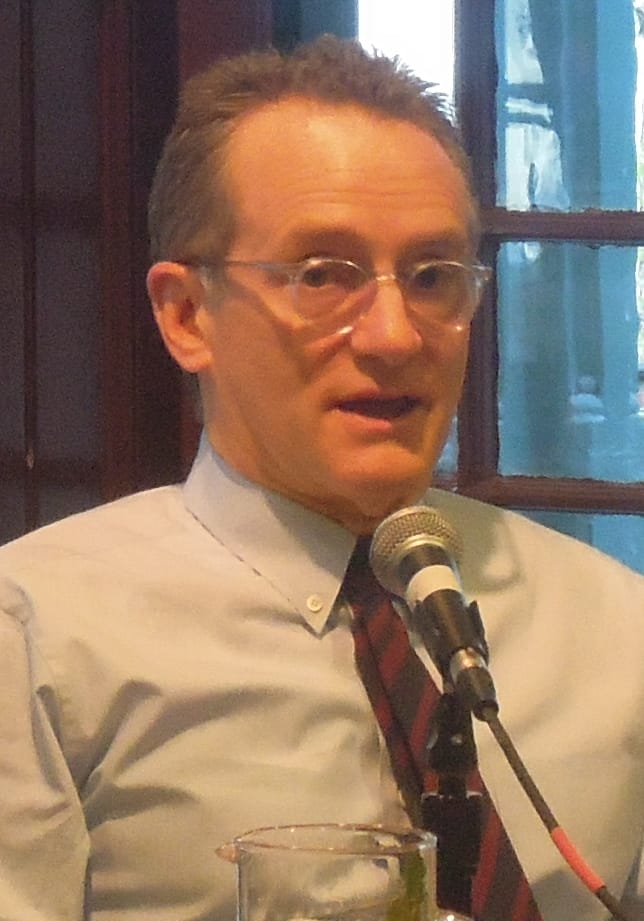
The legacy was not only about hash. In 1985 the American Jack Herer published the book The Emperor Wears No Clothes, about the history of hemp as a raw material for paper, rope, cloth and much more. The book became one of the most important for the movement that wanted to bring hemp back as a crop, and Herer travelled around speaking about it for the rest of his life.
The ideas caught on. In the 1990s several European countries began to allow the cultivation of industrial hemp again, and in 1994 Ben Dronkers founded the company HempFlax in the Netherlands to grow hemp on a large scale. It is the same industrial hemp that is used today for everything from textiles and building materials to CBD products.
The disappearing landraces
The legacy also has a downside. The same seeds that spread around the world have begun to push out the old landraces. According to Robert C. Clarke and Mojave Richmond, prohibition and the illegal trade have broken up many traditional farming communities, and new seeds have replaced varieties that had been grown in the same place for generations.
The clearest example is Morocco. In the 1980s Western hybrid seeds arrived in the Rif Mountains, and within ten years their traits could be seen in almost all the plants in the area, according to Clarke and Merlin. We tell more about how cultivation in the Rif has changed in our article Moroccan Hash: The Rif Mountains, Sieving and Quality. Today there are collectors and researchers trying to preserve the landraces that remain.
From prohibition to new laws
When the Hippie Trail closed, cannabis was banned almost everywhere. Fifty years later things look different. In December 2013 Uruguay became the first country to regulate the whole market. Canada followed on 17 October 2018, Malta in December 2021, and Luxembourg allowed home growing in July 2023. On 1 April 2024 Germany’s cannabis law came into force.
Something has happened along the trail itself, too. As we described in part three, in 2026 the province of Gandaki in Nepal allowed licensed cultivation for medical and industrial purposes, for the first time since the ban of 1976.
What the Hippie Trail left behind
The Pudding Shop in Istanbul, Chicken Street in Kabul, Freak Street in Kathmandu and the coffeeshops of Amsterdam. The Hippie Trail was a road that existed for only a little over twenty years, but it connected an ancient cannabis culture in Asia and North Africa with a new generation in the West. The seeds, the craft and the stories that came home with the travellers shaped much of what we see today, from coffeeshops and seed banks to museums and hemp farming.
The series ends here, but the story does not. Next come portraits of some of the people who shaped it, starting with Mila Jansen. Later there will also be an article of its own about Christiania.
Timeline
- 1972: Police raid the Brotherhood of Eternal Love on 5 August.
- 1979: The revolution in Iran and the Soviet invasion of Afghanistan close the overland route.
- 1984: Nevil Schoenmakers founds The Seed Bank.
- 1985: Sam the Skunkman moves to Amsterdam. Ben Dronkers founds Sensi Seeds and the Hash Marihuana & Hemp Museum. Jack Herer’s book is published.
- 1988: Howard Marks is arrested in Mallorca.
- 1990: Nevil Schoenmakers is arrested in Perth but never extradited.
- 1994: Ben Dronkers founds HempFlax.
- 1996: Howard Marks’ autobiography Mr Nice is published.
- 2013: Uruguay becomes the first country to regulate the cannabis market.
- 2018: Canada’s cannabis law comes into force on 17 October.
- 2024: Germany’s cannabis law comes into force on 1 April.
More in the series
This is part five of five in our series on the hippie trail:
- The Hippie Trail: The Overland Road to Kabul and Kathmandu
- Afghan Hash and the Hippie Trail: Kandahar, Kabul and Chicken Street
- Freak Street, the Himalayas and Goa: The End of the Hippie Trail
- The Craft Behind Hash: From Hand-Rubbed Charas to Sieving and Ice Water
- The Legacy of the Hippie Trail: Seed Banks, Smugglers and the Fight for Hemp
Also read our portrait of Frenchy Cannoli, who learned to make charas in the Himalayas.
What is a cannabis landrace?
A landrace is a variety that has been grown in the same place for generations and has adapted to the local climate and the growers’ methods. Examples are the Afghan, Thai and Mexican varieties that travellers brought home in the 1960s and 1970s.
Who was Howard Marks?
Howard Marks was a Welsh smuggler who in the 1970s and 1980s brought hash from Pakistan, Lebanon, Thailand and elsewhere to Europe and North America. He was arrested in 1988, released in 1995 and wrote the autobiography Mr Nice. He died in 2016.
What did Jack Herer write?
Jack Herer wrote the 1985 book The Emperor Wears No Clothes, about the history of hemp as a raw material for paper, rope, cloth and more. It became an important book for the movement that wanted to bring hemp back as a crop.
Sources
- Clarke, R. C. & Merlin, M. D. (2016). Cannabis Domestication, Breeding History, Present-day Genetic Diversity, and Future Prospects. Critical Reviews in Plant Sciences, 35(5-6). doi:10.1080/07352689.2016.1267498.
- Clarke, R. C. & Richmond, M. (2020). Cannabis Business Times. Cannabis Landraces: Past, Present and Future?.
- Vice. The story of skunk.
- Wikipedia. Sam the Skunkman.
- Wikipedia. Nevil Schoenmakers.
- Wikipedia. Hash, Marihuana & Hemp Museum.
- Wikipedia. Howard Marks.
- The Boston Globe (2016). Howard Marks, drug smuggler turned author.
- Wikipedia. The Brotherhood of Eternal Love.
- Wikipedia. The Emperor Wears No Clothes.
- Wikipedia. Hippie trail.
- Wikipedia. Cannabis in Uruguay.
- Wikipedia. Cannabis in Malta.
- Wikipedia. Cannabis in Luxembourg.
- Bundeszentrale für politische Bildung (2025). Ein Jahr Cannabisgesetz.
Header image: display cases at the Hash Marihuana & Hemp Museum in Amsterdam. Photo: Ank Kumar, CC BY-SA 4.0, via Wikimedia Commons.