

Buying CBD Oil: What You Should Know Before Choosing a Product
With so many brands, strengths, and extraction methods on the market, knowing what to look for can make all the difference between buying a quality product and wasting money on something unreliable.
This guide explains what CBD oil really is, the main types available, what makes one oil better than another, and how to read lab results before you buy.

What Is CBD Oil?
CBD, short for cannabidiol, is a naturally occurring compound found in the hemp plant — a variety of Cannabis sativa bred to contain only trace levels of THC.
Unlike THC, CBD is non-psychoactive, meaning it doesn’t cause a “high.”
Most CBD oils sold in the EU are extracted from EU-certified industrial hemp and then refined into different forms depending on the desired cannabinoid content.
The end result is a concentrated oil designed for easy daily use, often mixed with a neutral carrier such as MCT or hemp seed oil.
Different Types of CBD Oil
Not all CBD oils are the same.
The key difference lies in how much of the plant’s natural compounds — cannabinoids and terpenes — are retained after extraction.
In the EU and UK, two main types are legal and widely available: isolate and broad-spectrum.
Full-spectrum oils, which include trace amounts of THC, remain restricted in several countries, including Denmark and Sweden.
CBD Isolate
CBD isolate is the purest form of cannabidiol, containing 99% or more CBD and nothing else.
During processing, all other cannabinoids, terpenes, and plant materials are removed, leaving a clean, crystalline powder or clear oil.
This format is ideal for people who want to avoid THC entirely or who may be sensitive to other cannabinoids.
It’s also easy to mix into food, drinks, or skincare products without changing flavor or texture.
Because it contains only CBD, isolate lacks what’s known as the entourage effect – the natural synergy that occurs when cannabinoids and terpenes work together.
Many users find broad-spectrum oils more well-rounded for this reason, but isolate remains a reliable choice when purity and precision are the priority.
Broad-Spectrum Oil
Broad-spectrum CBD oil contains multiple cannabinoids and aromatic terpenes naturally present in hemp but has been refined to remove all detectable THC.
This makes it legal throughout the EU while still offering the enhanced profile of a whole-plant extract.
Because the minor cannabinoids and terpenes remain intact, broad-spectrum oils can deliver a richer and more balanced experience than isolate alone.
Users often describe the effect as smoother and more natural, thanks to the interaction of these compounds within the body’s endocannabinoid system.
Full-Spectrum Oil
Full-spectrum CBD oil preserves every compound found in the hemp plant, including THC (usually below 0.3%).
It provides the most complete entourage effect and is especially popular in markets such as the United States.
Despite the very low THC concentration, full-spectrum oil is not permitted in several EU countries.
For European consumers seeking a similar experience without THC, broad-spectrum is the closest legal alternative.
- €40,78 – €89,08Prisintervall: €40,78 till €89,08Betygsatt 4.88 av 5(32)
-
- 10 ml
- 30 ml
-
- €34,28Betygsatt 4.75 av 5(16)
-
- 10 ml
-
- €41,71 – €97,44Prisintervall: €41,71 till €97,44Betygsatt 4.76 av 5(33)
-
- 10 ml
- 30 ml
-
- €29,63 – €61,21Prisintervall: €29,63 till €61,21Betygsatt 4.90 av 5(20)
-
- 10 ml
- 30 ml
-
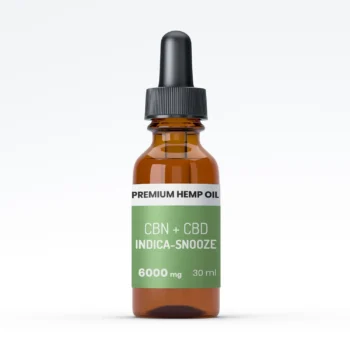
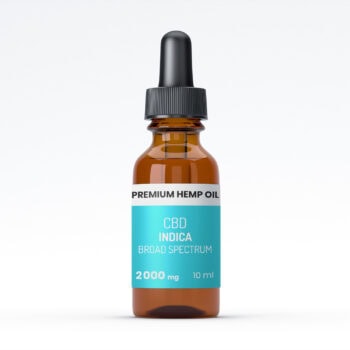


Broad-Spectrum vs. Isolate: Which Should You Choose?
The choice between isolate and broad-spectrum oil depends on your goals, tolerance, and local regulations.
Isolate gives you pure CBD with absolute consistency and zero THC risk — perfect for anyone who needs total control.
Broad-spectrum oil, on the other hand, includes additional cannabinoids like CBG and CBC plus terpenes such as myrcene or limonene.
Together, these can enhance the oil’s effectiveness through the entourage effect, producing a more balanced and plant-authentic result.
Many people start with isolate for simplicity and later move to broad-spectrum once they understand how CBD works for them.
Key Factors When Buying CBD Oil
Quality, transparency, and sourcing are what separate a good CBD oil from a poor one.
Before you decide, take time to check a few essential points.
1. Certificates and Testing
Only buy CBD oil that has been independently tested by a certified third-party laboratory.
A proper Certificate of Analysis (COA) confirms the exact cannabinoid profile and verifies that the product is free from heavy metals, pesticides, and solvents.
You can learn how to interpret these reports in our detailed guide:
How to Read a CBD Lab Report
Never rely on vague claims — the lab report is the only real proof of quality.
2. Origin and Cultivation
Always check where the hemp was grown.
European-sourced hemp is cultivated under strict agricultural standards and contains only EU-approved varieties.
Choose oils made from organically grown hemp whenever possible, as this minimizes exposure to unwanted chemicals.
A trustworthy brand should clearly state where and how their hemp is cultivated and processed.
3. Extraction Method
The cleanest and safest method for producing CBD oil is CO₂ extraction.
It uses pressurized carbon dioxide to draw out cannabinoids without leaving behind harmful residues.
This technique preserves the full cannabinoid profile and ensures high purity.
Avoid oils made with cheap solvent extraction (using butane or ethanol), as these may contain residual chemicals and degrade the plant’s natural compounds.
4. Ingredients and Formulation
Pure CBD oil doesn’t need unnecessary additives.
Look for a short, transparent ingredient list — typically just hemp extract and a carrier oil like MCT or hemp seed oil.
Avoid artificial flavorings, sweeteners, or colorants.
If you prefer to explore flavor options, natural terpene blends can enhance the taste and aroma without compromising purity.
5. Dosage and Use
Finding the right dosage is a gradual process.
Start low, observe how your body responds, and increase slowly as needed.
Everyone’s endocannabinoid system is different, so there’s no universal dose.
Many producers include guidance on their labels to help you estimate serving size.
For more information about available options and strengths, browse our range of CBD oils
to compare formulations and concentrations.
6. Price and Value
High quality doesn’t always mean expensive.
While extremely cheap CBD oils can be a red flag, you can find excellent value from reputable EU brands offering clear lab results and full traceability.
Compare cannabinoid content rather than bottle size — an inexpensive oil with very low strength may actually cost more per milligram of CBD.
Always balance price with verified quality and transparency.
Where to Buy CBD Oil Safely
It’s best to purchase from established European retailers that provide full compliance documentation and ship directly from within the EU.
Buying locally ensures legal THC limits are met and simplifies returns if needed.
Reliable sellers like Raw Hemp focus on THC-free, lab-tested oils that follow EU food and cosmetic regulations.
Avoid offers that seem too cheap or make unrealistic promises — if a product claims instant results or hides its lab data, it’s best to look elsewhere.
Summary
Choosing the right CBD oil starts with understanding what’s in the bottle.
Focus on quality ingredients, verified testing, and transparent sourcing.
For most users, broad-spectrum oil delivers the most balanced experience, while isolate is ideal for precision and absolute THC-free assurance.
Always review the lab report, confirm EU-compliant hemp origin, and check that CO₂ extraction has been used.
With a bit of research and attention to detail, you can find a safe, high-quality CBD oil that fits your lifestyle and budget.


