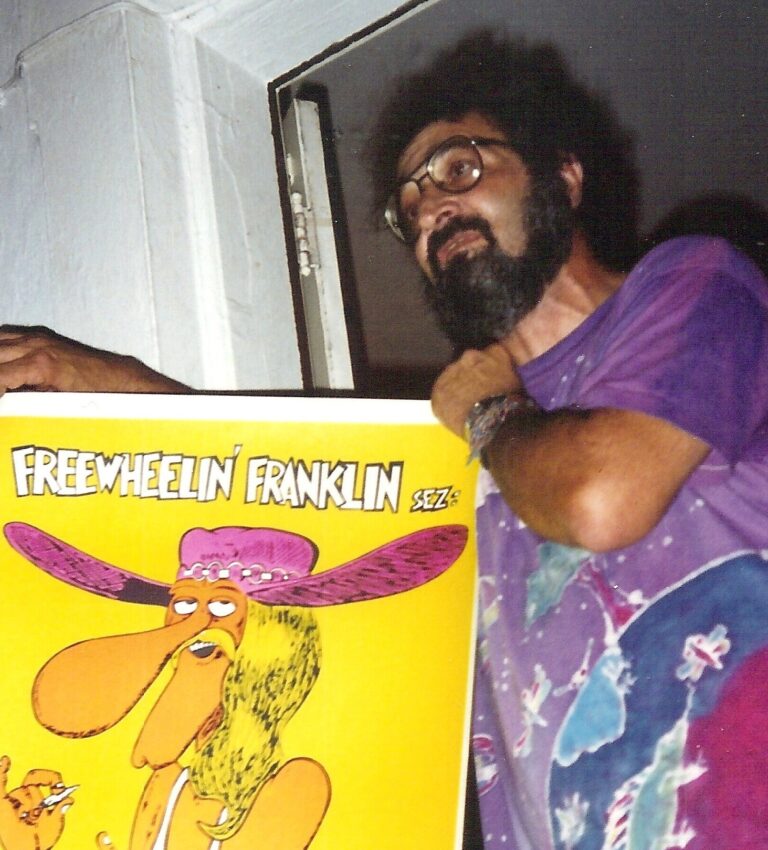
Amsterdam, 28 November 1994. In a shop in the city centre, Mila Jansen shows off a machine that looks like a small tumble dryer. It is called the Pollinator, and it shakes the resin loose from dried cannabis plants through a fine mesh. It is Cannabis Cup week in the city, and according to her own account she sold two or three machines on the very first night.
This is the fourth part of our series on the Hippie Trail. In the earlier parts we followed the overland road to Kabul, Kathmandu and Goa. Now it is about the craft: how hash was made in the Himalayas, Afghanistan, Lebanon and Morocco, and how the knowledge reached Europe and changed there. It is also the story of some of the people who shaped the hash culture we see today.
At a glance
- Hash was traditionally made in three ways: by rubbing living plants by hand, by sieving dried plants and by pressing the resin by hand.
- Lebanon and Morocco were the main sources of hash for Europe in the 1970s and 1980s, and the sieving technique most likely came to Morocco from Lebanon.
- Mellow Yellow in Amsterdam opened in 1972 and is regarded as the first coffeeshop in the world.
- Mila Jansen launched the Pollinator in 1994 and the Ice-O-Lator in 1998, two inventions that changed how hash is made.
- Several people developed ice water methods between the late 1980s and 1999, and who came first is still disputed.
Three ways to make hash
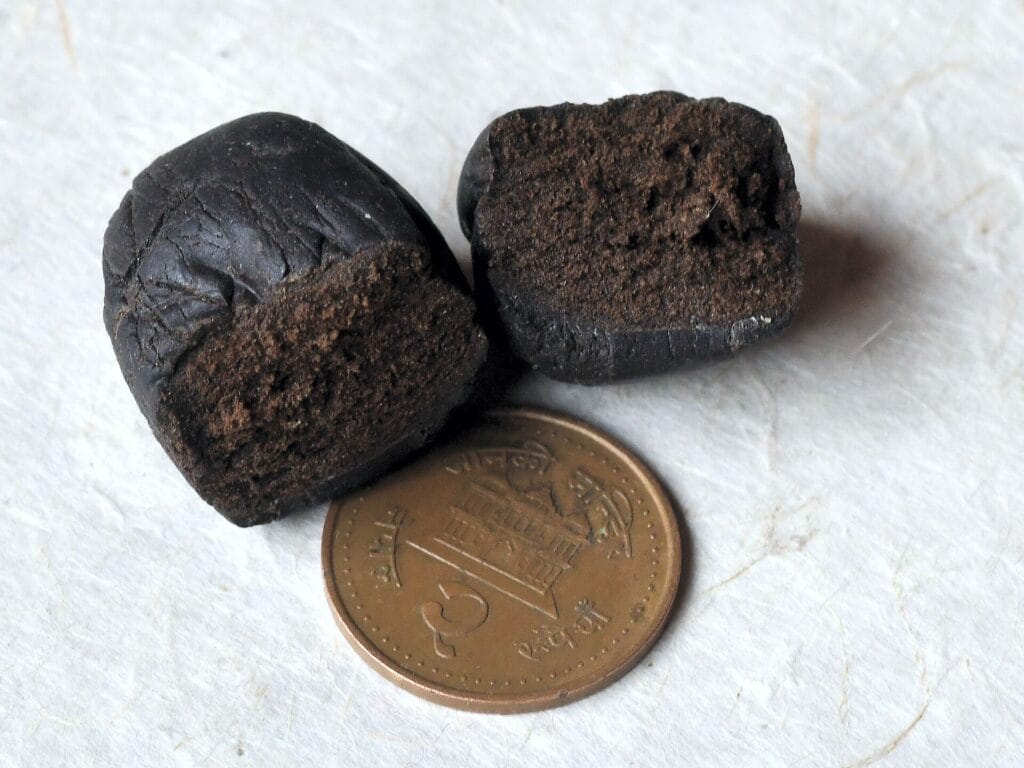
Along the Hippie Trail, travellers encountered three different traditions. In the Himalayas the resin was rubbed by hand from living plants, as we described in part three. The hand-rubbed charas was soft and dark and was often shaped into balls or sticks.
In Afghanistan, Lebanon and Morocco it was done differently. The plants were harvested and dried, and then shaken or beaten over a cloth or a fine mesh so that the resin glands, the trichomes, fell through. The powder that collected beneath the cloth was then pressed together. In Afghanistan it was often kneaded by hand until it became soft and pliable, as we described in part two.
These traditions also gave rise to names that travellers took home with them. One of the best known is temple balls, round balls of hand-rolled hash associated with Nepal. Nobody knows for sure where the name comes from.
Lebanon and Morocco
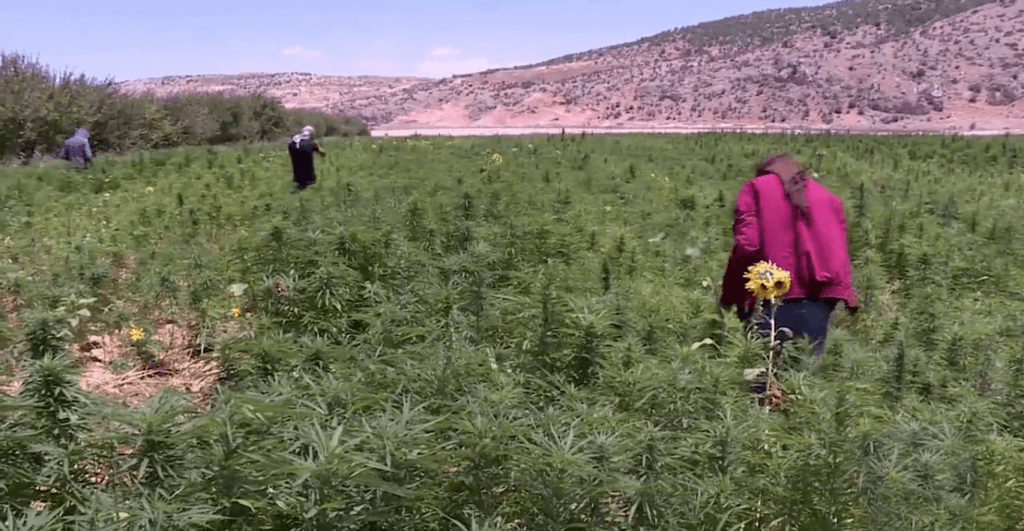
Not all the hash that reached Europe came from the Hippie Trail countries in the east. In Lebanon cannabis was grown in the Bekaa Valley, and according to the researcher Pierre-Arnaud Chouvy, Lebanon was one of the two main sources of hash for Europe in the 1970s and 1980s. The other was Morocco.
Morocco was the last of the major producer countries to start making hash for export. This happened in the late 1960s and early 1970s, as travellers from the West began to arrive. According to Chouvy, it is highly likely that the sieving technique came to Morocco from Lebanon. Today Morocco is one of the largest hash producers in the world, and cultivation in the Rif Mountains has a history of its own, which we tell in our article Moroccan Hash: The Rif Mountains, Sieving and Quality.
Amsterdam and the first coffeeshops
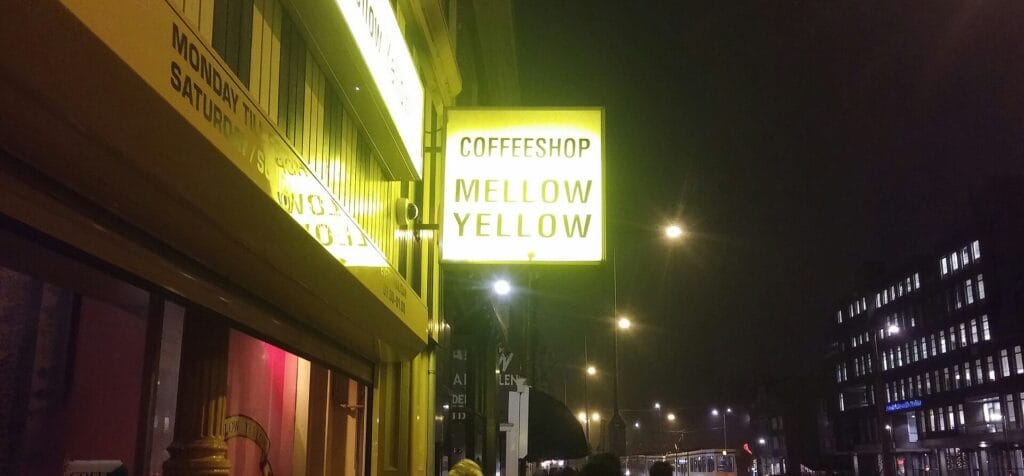
When the travellers came home, many of them ended up in Amsterdam. In 1972 Wernard Bruining and his friends started Mellow Yellow in a squatted former bakery. He called it a teahouse, and today it is regarded as the first coffeeshop in the world. More soon followed, selling hash from the countries the travellers had just visited.
Origin mattered. Hash was sold by the country it came from, and names like Afghan, Lebanese and Moroccan became familiar terms among buyers. Back home in Europe, the geography of the Hippie Trail lived on in what the coffeeshops had to offer.
In 1976 the Netherlands amended its drug law to distinguish between cannabis and other drugs. This laid the foundation for the tolerance the coffeeshops went on to build on. Mellow Yellow was forced to close in 2017 under new rules on distance from schools.
Mila Jansen and the Pollinator
One of those who came back with the knowledge was Mila Jansen. As early as November 1967 she had opened the Cleo de Merode teahouse in Amsterdam, and between 1968 and 1982 she spent much of her time in India and Nepal, with summers in Manali, winters in Goa and spells in Kathmandu. In the Himalayas she learned to rub charas.
She got the idea for the Pollinator when she watched laundry spinning in a tumble dryer. The same motion could be used to shake the trichomes loose from dried plants. The machine did much the same as the sieves in Afghanistan and Morocco, but in a way that worked with plants grown in Europe.
In 1998 came her next invention, the Ice-O-Lator, which she developed together with Mark Rose. It is a set of bags with meshes of different sizes in which the plant material is stirred in ice-cold water. The cold makes the resin glands brittle so that they break off and sink through the meshes. Her inventions earned Mila Jansen the nickname Hash Queen, and her story will get an article of its own in the series.
Ice water and the question of who came first
Mila Jansen was not alone in experimenting with water and ice. The method has several originators, and who came first is still disputed.
The American grower David Watson, known as Sam the Skunkman, advertised a guide to making hash with water in High Times in August 1987 under the name Sadu Sam. According to Leaf Magazine, he learned the technique from the seed breeder Nevil Schoenmakers in Amsterdam in the early 1980s, but where Nevil got it from in turn is unknown.
The Swiss inventor Reinhard C. Delp, who lived in California, showed his Ice-Cold Extractor at the Cannabis Cup in November 1997. He applied for a US patent on the method in February 1998, and the patent was granted in December 2000. The principle was the same as with the Ice-O-Lator: cold water makes the resin brittle. In March 1999 the Canadian Marcus Richardson, known as Bubbleman, launched his Bubble Bags, and his name has become closely associated with the term bubble hash.
The Cannabis Cup and Nederhash
The stage where much of this was shown off was the Cannabis Cup in Amsterdam. The competition started in November 1988 on the initiative of Steven Hager of High Times magazine. Over time hash got categories of its own, one for imported hash and one for Nederhash, meaning hash made in the Netherlands.
That division says a lot about what had happened. In the years of the Hippie Trail, hash was something you bought where it was made. Now it was also being made in Europe, with techniques the travellers had learned on the road and with new machines like the Pollinator and the Ice-O-Lator.
Frenchy Cannoli and hash as a craft
Another traveller who carried the craft forward was the Frenchman Frenchy Cannoli. He was born in Nice in 1956 and learned to make hash over many years in Asia and North Africa, including eight seasons in the Parvati Valley. He later moved to California, where he taught traditional hash making in his seminar series The Lost Art of the Hashishin.
Frenchy liked to compare hash with wine and believed that the place where the plant grew and the work of the farmer should show in the finished hash. In his own words: “I don’t create this quality! It is given to me by the farmers.” He died on 18 July 2021. We tell more about his life in our article Frenchy Cannoli: the master hashishin from Nice and his legacy.
The techniques that live on
The techniques the travellers encountered along the road are still in use. Sieving is now usually called dry sift, and the ice water method is known as ice water hash or bubble hash. Charas is still rubbed by hand in the Himalayas, and in Morocco hash is sieved in much the same way as fifty years ago.
The same methods are also used to make hash from industrial hemp with a low THC content. We go through how the different types differ in our article Types of Hash: CBD Hash Explained and How to Choose. The next and final part of the series is about the legacy of the Hippie Trail and the people who have shaped cannabis culture up to the present day.
More in the series
This is part four of five in our series on the hippie trail:
- The Hippie Trail: The Overland Road to Kabul and Kathmandu
- Afghan Hash and the Hippie Trail: Kandahar, Kabul and Chicken Street
- Freak Street, the Himalayas and Goa: The End of the Hippie Trail
- The Craft Behind Hash: From Hand-Rubbed Charas to Sieving and Ice Water
- The Legacy of the Hippie Trail: Seed Banks, Smugglers and the Fight for Hemp
Also read our portrait of Frenchy Cannoli, who learned to make charas in the Himalayas.
What is the difference between charas and sieved hash?
Charas is made by rubbing living cannabis plants between the palms until the resin sticks. Sieved hash is made from dried plants that are shaken or beaten over a cloth or a mesh, so that the resin glands fall through and can then be pressed together.
Who invented ice water hash?
There are several claims. Sam the Skunkman, Reinhard C. Delp, Mila Jansen and Bubbleman all developed methods using cold water between the late 1980s and 1999. Delp was granted a US patent in 2000, but who came first is still disputed.
Who is Mila Jansen?
Mila Jansen is a Dutch inventor known as the Hash Queen. She learned to make charas in the Himalayas and invented the Pollinator in 1994 and the Ice-O-Lator in 1998.
Sources
- Chouvy, P.-A. (2016). EMCDDA. The supply of hashish to Europe.
- Clarke, R. C. (1998). Hashish! Red Eye Press.
- Jansen, M. (2020). Cannabis Now. Mila Jansen: How I Became The Hash Queen.
- Black, B. (2022). World of Cannabis Museum. Cannthropology: Hash Queen Mila.
- Black, B. (2024). Leaf Magazine. Cannthropology: Bubble Hash Backstory.
- Delp, R. C. US patent 6158591. Method and apparatus for extracting plant resins.
- Wikipedia. Mellow Yellow (coffeeshop).
- Wikipedia. Cannabis Cup.
- Wikipedia. Drug policy of the Netherlands.
- 48 hills (2021). Puff: A farewell to Frenchy Cannoli, master of hashish.
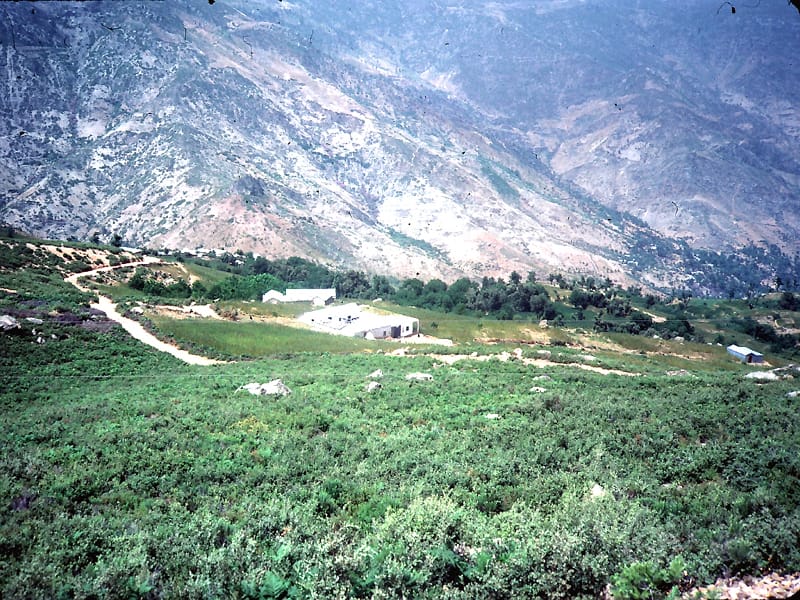
Header image: cannabis fields in the Rif Mountains of Morocco in 1985. Photo: Michel Benoist, CC BY-SA 3.0, via Wikimedia Commons.