Ben Dronkers started out as a ship’s boy in Rotterdam and became one of the people who shaped European cannabis culture the most. He founded Sensi Seeds, one of the best known seed banks in the world, opened the Hash Marihuana & Hemp Museum in Amsterdam and started HempFlax, one of the first modern hemp companies in Europe. Along the way, by his own account, he was arrested some eighty times. This is the story of the man who found a hole in the law and filled it with seeds.
At a glance
- Ben Dronkers was born in 1949 and grew up in Rotterdam in the Netherlands.
- As a teenager he signed on with the shipping line Holland America Line and began bringing seeds and fabrics home from his voyages.
- In the early seventies he travelled to Turkey, Afghanistan and Pakistan to buy textiles and came home with cannabis seeds.
- He discovered that seeds were not covered by the Dutch Opium Act and began growing openly for seed production.
- In 1985 he founded the Sensi Seed Club, the company known today as Sensi Seeds.
- In 1991 he took over Nevil Schoenmakers’ The Seed Bank, and the two seed banks became the Sensi Seed Bank.
- In 1994 a sativa dominant strain from Sensi Seeds was named Jack Herer, after the American hemp activist.
- He founded the Hash Marihuana & Hemp Museum in Amsterdam, which according to the museum has had more than two million visitors, and in 2012 opened a branch in Barcelona.
- In the early nineties he started HempFlax, which grows and processes industrial hemp in the north of the Netherlands.
Rotterdam, the harbour and the first piece of hash
Ben Dronkers was born in 1949 and grew up in Rotterdam, the largest port city in Europe. He got his love of plants from his mother, who according to him always had something in bloom at home. School interested him less. He has described himself as a child who would rather be outside than sit in a classroom.
As a teenager he signed on with Holland America Line, the shipping company that sailed from Rotterdam to ports all over the world. When the ships were in port he looked for unusual fabrics, because he dreamed of starting his own clothing company. He also began bringing seeds home.
He smoked his first hash at seventeen on the Maasbrug, a bridge over the river Maas in Rotterdam. He had expected something like being drunk, but it was nothing like that, he said in a 2015 interview with Sensi Seeds. After that he went to Amsterdam to buy hash and started growing from the seeds he had collected on his travels.
Holland Pop 1970 and the beginning of tolerance
From 26 to 28 June 1970 around 100,000 people gathered in the Kralingse Bos in Rotterdam for the Holland Pop Festival. The festival is often called the Dutch Woodstock and has a special place in the history of cannabis. There were plenty of plain clothes police officers in the crowd, but they arrested neither smokers nor small dealers. There were too many people and everyone was peaceful. Many see those three days as the start of the Dutch tolerance policy, gedoogbeleid.
Ben Dronkers was there, and according to Leaf magazine he sold cannabis completely openly at the festival. He has told High Times that everyone knew there would be a lot of smoking there. It was a sign of things to come.
Fabrics from Afghanistan and seeds from Pakistan
In the early seventies Dronkers opened a clothing shop in Rotterdam. To find fabrics he travelled to Turkey, Afghanistan and Pakistan, along the same roads that thousands of young Westerners followed on the hippie trail. There he learned about hemp fibre and textiles, but also about the farmers who grew cannabis and made hash from it the way it had been done for generations. Of the Afghans he has said that he remembers their harmony and kindness. You can read more about how hash was made there in our article on Afghan hash.
It was the seeds from Pakistan that became the turning point. There he found plants that had adapted to their place over a long time, so called landraces. Dronkers began crossing them to bring out the traits he wanted. It was the beginning of what would become his life’s work.
Spinach, arrests and a hole in the law
In the mid seventies Dronkers grew cannabis in homemade greenhouses. For the first two to three years nobody wanted to buy what he grew. The Dutch were used to imported hash, not least Moroccan hash, and the green flowers were called spinach. He left samples at coffeeshops in Amsterdam such as The Happy Family and Prix d’Ami, telling them to pay only if they liked it. In the end they did.
It came at a price. Dronkers was arrested again and again. In an interview with CannaReporter in 2023 he said he had been arrested maybe 80 times and had been in prison 16 of those times, usually for short periods.
During those years he studied the Dutch Opium Act closely and discovered something important: the seeds themselves were not covered by the ban. After talking to a lawyer he started growing for seed production completely openly and told both the police and the agricultural authorities what he was doing. He calls it the loophole in the law. It became the foundation of an entire industry.
The Sensi Seed Club and the seed bank
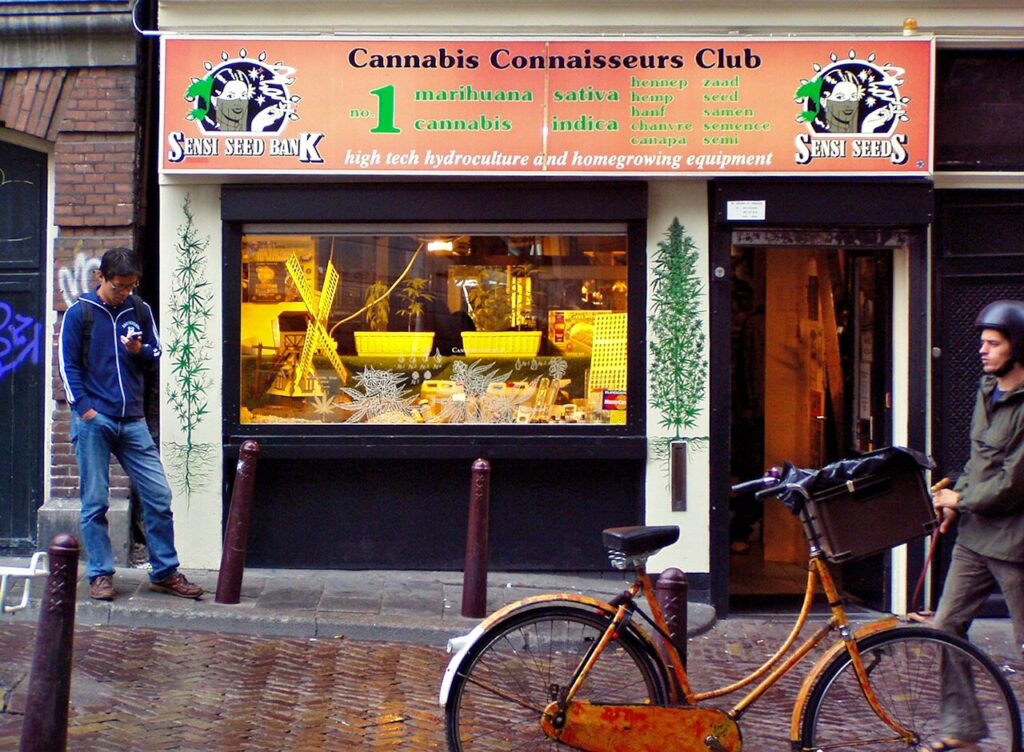
In the early eighties strains such as Skunk and Haze arrived in Europe from the US West Coast. According to Sensi Seeds, Dronkers was one of three Dutch growers who got access to them. In 1985 he founded the Sensi Seed Club, and the year after the club opened its first shop in Amsterdam, selling growing equipment and books about cannabis. Customers came from all over the world, not least from the United States.
At the same time there was another seed bank in the Netherlands: The Seed Bank, founded in 1984 by the Australian Nevil Schoenmakers. On 24 July 1990 Schoenmakers was arrested in Australia at the request of the US government, after a large American investigation into seed and grow shops. He spent a year in custody awaiting extradition. During that time he sold his seed bank, and in 1991 Dronkers took over. The gene banks were merged into the Sensi Seed Bank. We tell more about Schoenmakers and Amsterdam’s seed banks in The Legacy of the Hippie Trail.
Sensi Seeds grew into one of the largest seed banks in the world. In an interview with High Times in 2015 Dronkers described the seeds as a form of resistance: in the war on drugs, we bombard the world with seeds, as he put it.
The Jack Herer strain
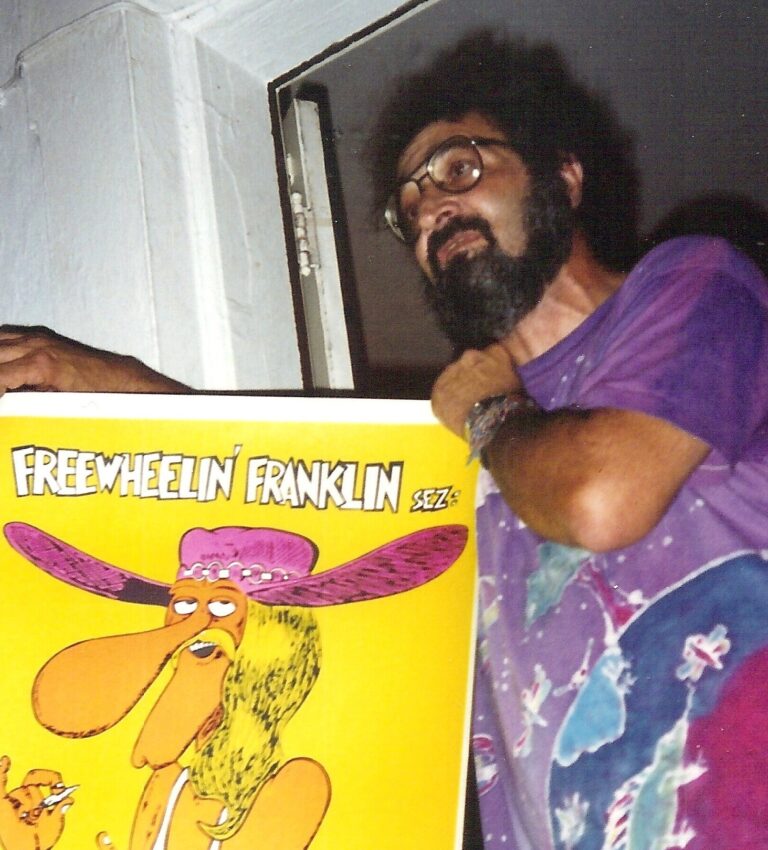
In 1994 Sensi Seeds named a sativa dominant strain after Jack Herer, the hemp activist who wrote The Emperor Wears No Clothes. The strain became one of the best known in the world, and today the name lives on far beyond the Sensi catalogue. Herer also received the museum’s Cannabis Culture Award, given to people who have campaigned for the acceptance of cannabis in all its forms. Dronkers’ collection includes books signed by Herer, Ed Rosenthal and Robert Clarke.
When Dronkers was asked about his favourite Sensi Seeds strains in 2015, Jack Herer was one of them.
The museum that was closed on its first day
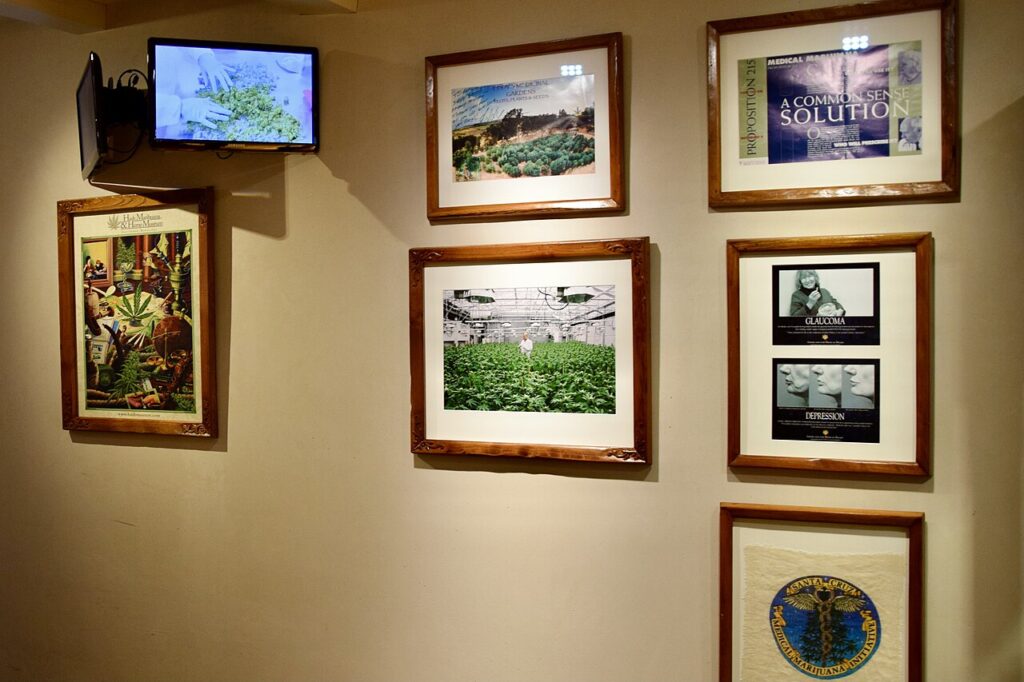
Around the same time as the seed bank took shape, Dronkers opened a museum in Amsterdam’s red light district. According to the museum’s own history he opened the Cannabis Info Museum together with the American grow expert Ed Rosenthal. The Dutch Minister of Justice ordered it closed on the very first day, as it was considered to encourage illegal activity. Dronkers challenged the decision and reopened the next day. Sources differ on the year: the museum gives 1987, while Sensi Seeds and other sources give 1985.
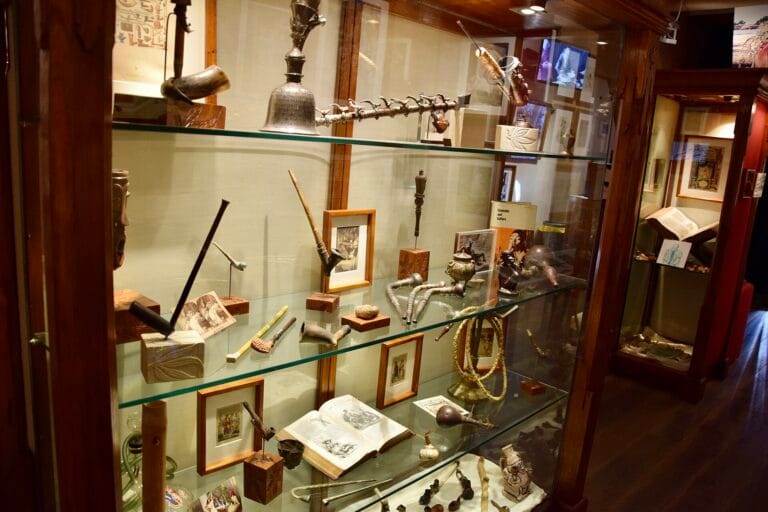
Today the museum is called the Hash Marihuana & Hemp Museum and is located at Oudezijds Achterburgwal 148. It has a live cannabis garden, collections of pipes, a Dutch Bible from 1836 printed on hemp paper and David Teniers the Younger’s painting of peasants smoking in a smoke house from 1660. There is also one of the fake IDs used by the Welsh smuggler Howard Marks. According to the museum, more than two million people have visited it.
In 2008 the Hemp Gallery opened nearby, and in 2012 the Amsterdam museum reopened after a renovation. The same year a branch opened in the Palau Mornau, a Modernista palace in Barcelona.
HempFlax and industrial hemp
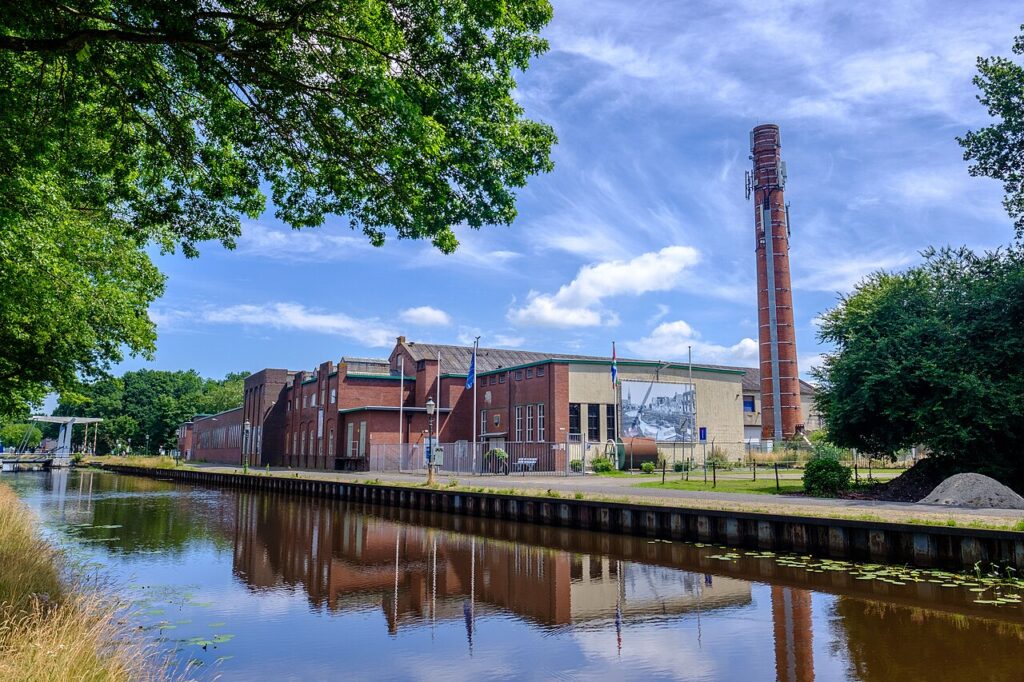
Dronkers has always seen hemp as more than a pleasure plant. In the early nineties he started HempFlax, which grows and processes industrial hemp in the north of the Netherlands. The company moved into a former cardboard factory in Oude Pekela in the province of Groningen and in 2015 opened a second factory in Romania. The hemp becomes fibre, insulation and building material, and today the insulation company ThermoHanf is part of the same group.
It has not been a quick business. In the interview with CannaReporter he said he had invested in hemp for 27 years and lost money on it at first. Still, every year he visits the hemp fields in Groningen, and he has said it warms his heart. On the museum’s website he sums up his view like this: there is no other plant that is so versatile, has such a wonderful history and so much potential for the future.
The rebel who became a business leader
When Dronkers started out he was seen as the devil, the dealer who wanted to get everyone hooked. Those are his own words. Fifty years later his companies have become a group with a seed bank, museums, hemp farming and insulation. Even so, he has been careful to say that it is not about him. It is about cannabis, as he puts it.
He is still a rebel at heart. The world needs more rebels, he has said, and he believes everyone should have the right to grow the plant.
Ben Dronkers is one of the people who built the cannabis culture we see today, just like those we tell about in our series on the hippie trail and in our portraits of Frenchy Cannoli and Jack Herer. The seeds he brought home from Pakistan more than fifty years ago live on today in strains grown all over the world. Howard Marks, whose fake ID is kept in Dronkers’ museum, will get his own portrait later on.
Who is Ben Dronkers?
Ben Dronkers is a Dutch entrepreneur born in 1949 in Rotterdam. He founded Sensi Seeds, the Hash Marihuana & Hemp Museum in Amsterdam and the hemp company HempFlax.
When was Sensi Seeds founded?
Sensi Seeds was founded in 1985 as the Sensi Seed Club. In 1991 Ben Dronkers took over Nevil Schoenmakers’ The Seed Bank, and the seed banks were merged into the Sensi Seed Bank.
Why were cannabis seeds legal in the Netherlands?
The Dutch Opium Act did not cover the seeds themselves. Ben Dronkers discovered this and began growing openly for seed production after consulting a lawyer.
Where is the Hash Marihuana & Hemp Museum?
The museum is located at Oudezijds Achterburgwal 148 in Amsterdam. Since 2012 there is also a branch in the Palau Mornau in Barcelona.
What is HempFlax?
HempFlax is a company Ben Dronkers started in the early 1990s. It grows and processes industrial hemp in the north of the Netherlands and has also had a factory in Romania since 2015.
Is the Jack Herer strain from Sensi Seeds?
Yes. In 1994 Sensi Seeds named a sativa dominant strain after the hemp activist Jack Herer. Today it is one of the best known strains in the world.
Sources
- Wikipedia. Sensi Seeds.
- Wikipedia. Hash, Marihuana & Hemp Museum.
- Wikipedia. Nevil Schoenmakers.
- Wikipedia. Holland Pop Festival.
- Leaf Magazine. Early Days: Sensi Seed Bank.
- Leaf Magazine. The Original King of Cannabis.
- CannaReporter (2023). Ben Dronkers: Cannabis is for the people and everyone should have the opportunity to grow it.
- High Times (2015). The High Times Interview: Dutch Masters.
- Hash Marihuana & Hemp Museum. About us and Interview with Ben Dronkers.
- Sensi Seeds (2015). 30 Years of Sensi Seeds: an interview with Ben Dronkers, and 30 Years of Sensi Seeds: from an overwhelming passion to an unshakable vision.